
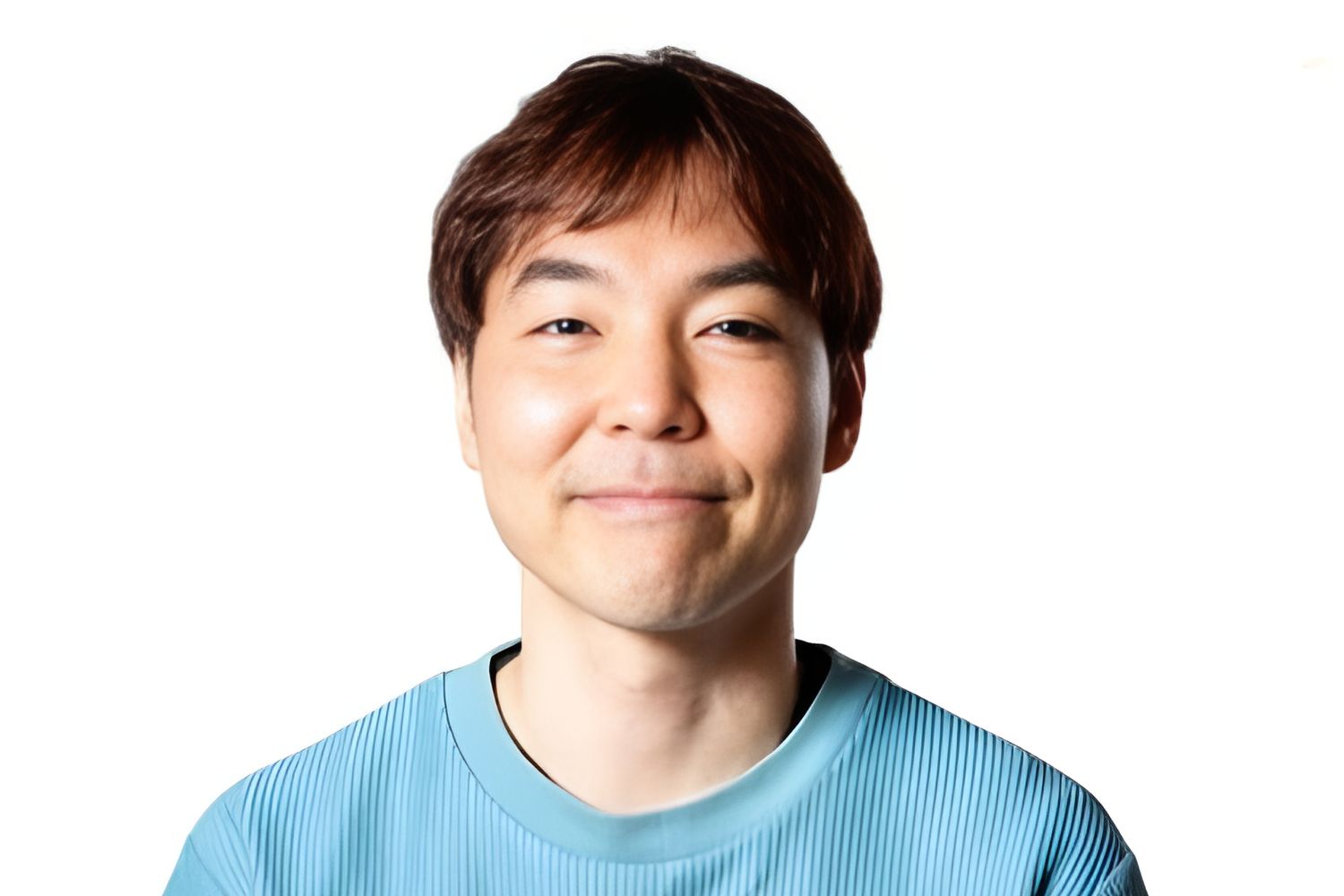
Guild名鑑 No.177 フラットチャンネル・中村 有作さん
コミュニティという財産を、みんなのものに。
フラットチャンネル・中村 有作さんの“ひと”から探求する組織開発
(The English version follows the Japanese text.)
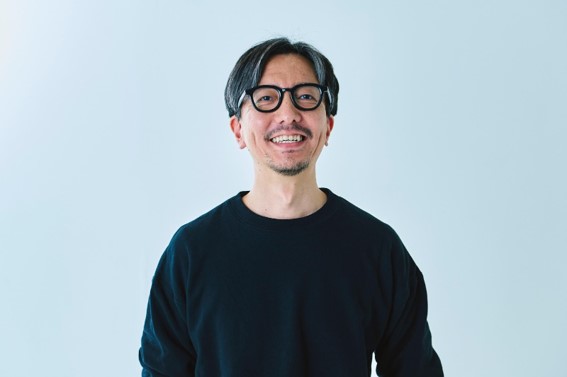
港区を起点に、いろんなところで働く・暮らす人たちが集い、楽しい時間から未来をつくっていくコミュニティCreative Guild。このギルド名鑑では、そんなCreative Guildでつながったユニークな方々をご紹介しています。今回ご紹介するのは、越境型学習コミュニティ「フラットチャンネル」のキーマンの一人、中村 有作さん。誰もが知る大企業の中に身を置きながら、その枠に囚われず、“ひと”を真ん中に置いた組織開発のあり方を探求しています。
日本の超大手企業に所属する中村さんは、ITエンジニアとしてキャリアを重ね、海外赴任なども経験してきました。新型コロナウイルスの流行をきっかけに、関係性が分断されていくことへの違和感から、日立グループの社員が主体となって有志で、学びと交流を目的とした越境型学習コミュニティ「フラットチャンネル」を立ち上げます。以降、月に一回のペースで、組織の内外、年齢や立場を越えた“フラット”な場を継続的に提供。企業の枠組みでは生まれにくい対話や出会いを通じて、新たな試みが動き出すためのトリガーを担っています。
そんな中村さんは、「一人ひとりが自分の人生の主人公である」という軸を強く持っています。誰もがこの社会に存在する意味を持ち、その意味が人と人の間でつながっていくことで、価値が生まれ、社会は動いていく。だからこそ中村さんは、自分自身を知ること、一人の“ひと”として丁寧に向き合うことを何より大切にしてきました。そこから育まれる関係性は、個人の枠を越え、やがて組織や立場、年代を超えたつながりへと広がっていく。そうして生まれたコミュニティを、特定の誰かのものではなく、新しい社会の共有財産としてひらいていく——それが中村さんの一貫した意図であり、実践の根底にある考え方です。
昨今、「人的資本経営」という言葉が注目を集めています。働き方改革、エンゲージメント、従業員満足度、ウェル・ビーイング——“ひと”を大事にする組織のあり方が、社会的には強く求められるようになりました。しかし現実に目を向けると、“がまん=スマート”“何もしない=無難”“過去の延長=安定”という思考が、むしろ強化されている場面も少なくありません。その結果、挑戦したいと願うほどに孤立し、疲弊し、やがては自分自身を封じ込めてしまう。もちろん、変化を起こしている組織や実践も存在しますが、それがまだ多数派とは言えないのが現状です。
組織開発は、単なる改善手法ではなく、これからの社会をつくっていくための必然のプロセスです。そこで問われるのは、制度やスローガンではなく、“ひと”をどう活かすか。中村さんのアプローチは、一見変えられないように見える巨大な組織や複雑な制度のなかで、コミュニティという視点から新しい風を起こしていく実践です。諦める必要はない。けれど、無理に変えようともしない。やりたい人同士がつながり、“楽しい”から始めていく。その積み重ねは、すぐに分かりやすい成果にはならないかもしれませんが、地道な継続は確実に未来を変えていきます。そう考えると、「友達最強」で「超地道」なCreative Guildの場でもまた、中村さんの実践にならいながら、コミュニティという財産をみんなで育んでいきたいですね。
Turning Community into a Shared Asset
Yusaku Nakamura of Flat Channel—Exploring Organization Development Through People
Based in Minato City, Creative Guild is a community where people who live and work in diverse ways come together, using fun as a starting point to imagine and build the future. In this Guild Directory, we introduce unique individuals connected through Creative Guild. This time, we feature Yusaku Nakamura, one of the key figures behind the cross-boundary learning community Flat Channel. While working within one of Japan’s best-known large corporations, he looks beyond conventional boundaries to explore a people-centered approach to organization development.
Nakamura has built his career as an IT engineer, including overseas assignments, within a major Japanese corporation. During the COVID-19 pandemic, he became acutely aware of the fragmentation of relationships and the sense of disconnection it created. In response, he launched Flat Channel as a community for learning and exchange with voluntary members of the Hitachi Group. Since then, he has consistently hosted a “flat” space once a month—bringing together people across organizational boundaries, generations, and roles. Through dialogues and encounters that are difficult to foster within traditional corporate frameworks, these gatherings serve as triggers for new initiatives to take shape.
At the core of Nakamura’s thinking is a strong belief that each person is the protagonist of their own life. Everyone has a reason to exist in society, and when those individual meanings connect between people, value is created and society begins to move. This is why he places the greatest importance on knowing oneself and engaging sincerely with others as individuals—as people, first and foremost.
The relationships cultivated in this way extend beyond the individual, gradually expanding into connections that cross organizations, positions, and generations. The communities that emerge are not owned by any single person; they are opened up as shared assets for a new society. This consistent intention underpins Nakamura’s practice and philosophy.
In recent years, the concept of human capital management has gained significant attention. Work-style reform, engagement, employee satisfaction, and well-being—organizational models that value people are increasingly demanded by society. Yet, in reality, mindsets such as “endurance equals professionalism,” “doing nothing is safest,” and “continuity with the past means stability” are often reinforced. As a result, those who aspire to challenge the status quo can become isolated and exhausted, eventually suppressing their own potential. While there are certainly organizations and practitioners driving change, they have yet to become the majority.
Organization development is not merely a set of improvement techniques; it is an essential process for shaping the future of society. The critical question is not about systems or slogans, but about how people are truly enabled. Nakamura’s approach introduces fresh momentum through the lens of community—even within massive organizations and complex systems that appear resistant to change. There is no need to give up, but there is also no need to force change. People who want to act connect with one another and start from fun. While this accumulation of small steps may not produce immediate, easily visible results, steady and patient continuity does, without doubt, transform the future.
In that sense, within the Creative Guild as well—guided by the spirit of “friends are the strongest” and “radically steady progress”—there is much to learn from Nakamura’s practice as the community continues to nurture and grow this shared asset together.

この記事へのコメントはありません。