
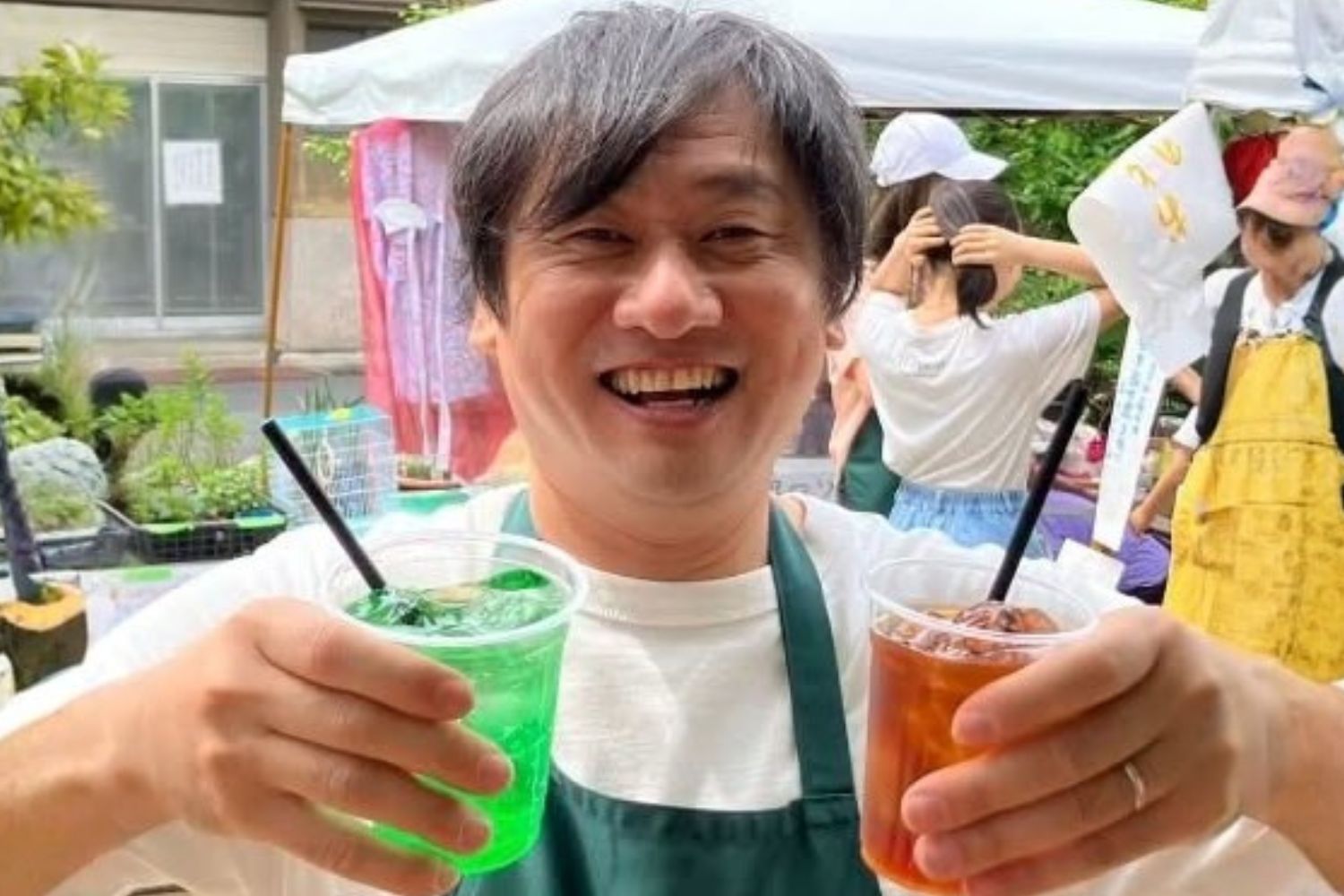
Guild名鑑 No.211 芝の水やり地域活動者 原口たずさん
“お金”で動かないつながりを育てる。
芝の水やり地域活動者 原口たずさんの、恩義が巡る地域文化づくり
港区を起点にいろんなところで働く・暮らす、楽しい時間を創りたい人たちによるコミュニティCreative Guild。このギルド名鑑では、そんなCreative Guildでつながったユニークな方々をご紹介しています。今回ご紹介するのは、港区芝地域で活動する原口たずさん。草花に水をやるように自然体で地域と関わり、立場を超えて恩義が巡る人のつながりを、丁寧に、地道に育んでいます。
原口さんは、普段は銀行員として活躍。その中で、地域における人のつながりの大切さを肌で感じ、事業構想大学院大学での学びをきっかけに、“お金”だけに依存しない価値の循環を探求するようになりました。さらに、慶應義塾大学と港区芝地区が連携して行う「ご近所イノベータ養成講座」にも参加。現在は、アートや防災など誰もが接点を持てるテーマを軸に、学校や企業、行政とも連携したイベント施策などを展開しています。地域にいる普通の人が、日常の中で草花に水をやるような自然体のスタイルで、つながりと学びと実践の機会を届け続けています。
そんな原口さんが大事にしていることは、一言で言えば「恩義」です。それは、目の前の人を大切にし、受け取ったものを返し、また次の誰かへ送っていく感覚です。お金で簡単に解決するのではなく、あえて借りる、頼る、手伝うことで、人と人の間に小さな関係性が生まれていきます。その関係性は、今を生きる人たちだけでなく、次の世代を育て、地域に持続可能な文化を残していくことにもつながります。けれども、それは一気にはできません。だからこそ原口さんは、水やりをするように、地道に、丁寧に、地域と関わることを大事にしているのです。
もちろん、お金は大切です。けれども、実際に物事を動かすのは、いつの時代も“ひと”です。お金はその関係性の中で信用を支えたり、感謝を伝えたりするための道具の一つにすぎません。だからこそ本当に大切なのは、お金に過剰にとらわれることではなく、多様な人とのつながりを深く築き、必要な時に柔軟かつ俊敏に動かせる関係性を育てておくことなのではないでしょうか。しかし現代社会では、利便性が高まる一方で、そうしたつながりを育む大切さは、ついつい置き去りになってしまうことも少なくありません。
いかに多様な人をつなぎ、そこから何かを動かしていくか。その答えは、実は足元の地域にあります。地域社会の中に信頼関係があれば、大きなお金をかけなくても、新しいチャレンジを形にすることはできます。そして、そこで生まれたつながりがあるからこそ、本当に意味のあることにお金を使い、物事を動かし、恩義を巡らせながら社会をよりよいものへ変えていくこともできるはずです。原口さんの地域活動は、水やりのように自然体でささやかな営みに見えます。しかしその一つひとつは、都心の地域に新しい関係性と希望を育む確かな実践です。やりたいことがあるなら、まず足元の地域にアクセスしてみる。それは、AIの時代だからこそ大切にしたい、“楽しい”から始まる未来づくりの一つの形なのかもしれません。
Nurturing Connections That Don’t Move by “Money” Alone
Tazu Haraguchi, Shiba’s Watering-Can Community Activist, and His Work to Cultivate a Culture Where Gratitude Comes Full Circle
Creative Guild is a community of people who live and work in various places, starting from Minato City, and who want to create enjoyable moments together. In this Guild Directory, we introduce unique individuals connected through Creative Guild. This time, we feature Tazu Haraguchi, who is active in the Shiba area of Minato City. Like watering flowers and plants, he engages with the local community in a natural and unpretentious way, patiently and carefully nurturing human connections where gratitude circulates beyond titles, roles, and positions.
Haraguchi usually works as a banker. Through his work, he came to deeply feel the importance of human connections within local communities. Later, through his studies at the Graduate School of Project Design, he began exploring a circulation of value that does not depend solely on “money.” He also participated in the “Gokinjo Innovator Training Program,” a community-focused initiative run in collaboration between Keio University and the Shiba district of Minato City. Today, he develops event-based initiatives in collaboration with schools, companies, and local government, using themes such as art and disaster preparedness—topics that anyone can connect with. In doing so, he continues to offer opportunities for connection, learning, and practice, in a natural style that feels like ordinary people in the community watering flowers in their everyday lives.
What Haraguchi values most can be summed up in one word: ONGI, a Japanese sense of gratitude, obligation, and returning kindness. It is the feeling of cherishing the person in front of you, giving back what you have received, and passing that kindness on to someone else. Instead of solving everything easily with money, he believes that small relationships are born when people intentionally borrow, rely on one another, and help each other. These relationships do not only support people living today; they also nurture the next generation and help leave behind a sustainable culture within the community. But such a culture cannot be created all at once. That is why Haraguchi values engaging with the community steadily, carefully, and patiently, just like watering plants.
Of course, money matters. Yet what actually moves things forward, in any era, is always people. Money is only one tool that supports trust and expresses gratitude within human relationships. That is why what truly matters is not becoming overly attached to money, but building deep connections with diverse people and nurturing relationships that can move flexibly and swiftly when needed. However, as modern society becomes more convenient, we often leave behind the importance of cultivating such connections.
How can we connect diverse people and move something meaningful from there? The answer may actually lie in the local community right beneath our feet. When trust exists within a community, new challenges can take shape without requiring a large amount of money. And because those connections exist, money can then be used for things that truly matter, helping move projects forward while allowing gratitude to circulate and society to change for the better. Haraguchi’s community activities may look as natural and modest as watering plants. Yet each one is a concrete practice that nurtures new relationships and hope within an urban community. If there is something we want to do, perhaps the first step is to access the community right around us. Especially in the age of AI, this may be one meaningful way of creating a future that begins with “fun.”

この記事へのコメントはありません。