
おもビズ! Vol.5-0 AIが平気で嘘をつく理由、知ってますか?
港区発! 面白ビジネス仕掛け人!
AIが平気で嘘をつく理由、知ってますか?
(The English version follows the Japanese text.)
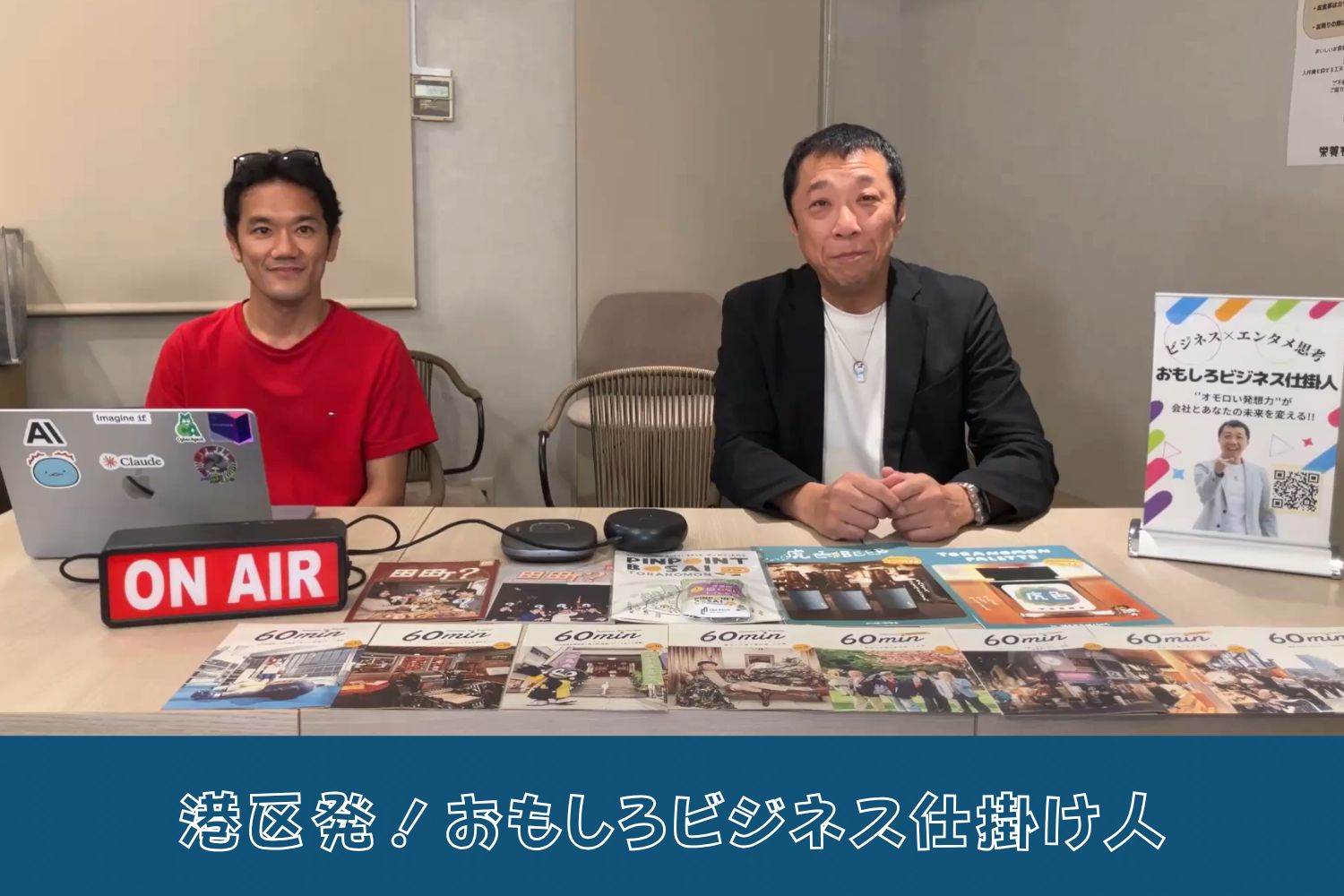
Creative Guildの仲間たちがお届けする「おもビズ!(おもしろビジネス仕掛け人)」では、さまざまな分野で活躍する“面白い人”や“面白いテーマ”を取り上げ、その人ならではの視点や対話から、これからの社会やビジネスのヒントを探っていきます。パーソナリティを務めるのは、人やビジネスの“面白さ”を独自の角度から引き出す幹てつやさん。そして、AIやデジタルを身近な学びとして届ける“AIパパ”ことザックさん(佐藤雄大さん)です。
今回は、いつものスタジオを飛び出し、白金高輪の「栄養モンスター」で行われた公開収録。手作りにこだわった、心と体にやさしいご飯を味わいながら、場はとても和やかに始まります。豚の角煮や肉じゃがのやさしい味わいに感動しつつ、話題はやがて、いま多くの人が気になっている「AIはなぜ嘘をつくのか?」というテーマへと進んでいきます。
きっかけは、幹さん自身の体験でした。ChatGPTに、あるレコードの発売日を聞いたところ、AIは一瞬でそれらしい答えを返してきたそうです。ところが、違和感を持って調べ直してみると、その日付はまったく違っていた。結局、自分で検索し直すことになり、「これなら最初から自分で調べたほうがよかったのでは?」と感じたといいます。AIを使ったことがある人なら、思わずうなずいてしまうエピソードです。
これに対して、AIパパことザックさんは、AIが嘘をつく理由をわかりやすく解説します。AIは、必ずしも「正しい事実」を調べて答えているわけではなく、文脈からもっともらしい文章を生成している場合があります。そのため、事実とは異なる情報を、あたかも本当のように出してしまうことがあります。これは、いわゆるハルシネーションと呼ばれる現象です。しかも、無料版だから起こるという単純な話ではなく、課金しているAIでも、使い方によっては起こり得るものです。
では、どうすればAIの嘘に振り回されずに済むのでしょうか。ポイントは大きく二つあります。一つ目は、AI自身にダブルチェックさせることです。最初の回答をそのまま信じるのではなく、「本当に合っていますか?」「根拠を確認してください」ともう一度聞く。二つ目は、情報源を明記させることです。「その情報はどこから来ていますか?」と確認し、公式サイトや公的機関など信頼できるソースに基づいているかを、人間側が判断することが大切です。
さらに、番組ではAIのもう一つの特徴である「忖度」についても話が広がります。AIに壁打ちをしていると、こちらが「それは違う」と言った瞬間に、AIがすぐに「そうですね」と意見を変えてしまうことがあります。便利な反面、これでは本当に頼れる相談相手にはなりません。そこで重要になるのが、最初の指示、つまりプロンプトです。「厳しめに見てください」「客観的に判断してください」「必要なら反論してください」とあらかじめ伝えておくことで、AIを単なるイエスマンではなく、よりよい壁打ち相手に近づけることができます。
AIは、魔法の杖ではありません。けれど、特性を理解し、問い方を工夫し、出てきた答えを確認しながら使えば、とても心強い相棒になります。大切なのは、AIを盲信することでも、怖がって遠ざけることでもなく、人間側がリテラシーを持って使いこなすこと。今回の動画は、AI初心者にも、すでに使い始めている人にも、「AIとのつき合い方」を見直すきっかけになる内容です。
Do You Know Why AI Can Confidently Lie?
“OMOBIZ! — Interesting Business Instigators from Minato,” brought to you by members of Creative Guild, introduces fascinating people and themes while exploring hints for the future of society and business through lively dialogue. The program is hosted by Tetsuya Miki, who brings out the “interesting” side of people and business from his own unique angle, and Zack, also known as AI Papa Yuta Sato, who makes AI and digital technology feel accessible as tools for learning.
This episode was recorded in front of an audience at Eiyou Monster in Shirokane-Takanawa, away from the usual studio. The conversation begins in a warm and relaxed atmosphere, with the hosts enjoying carefully handmade dishes such as braised pork and nikujaga. From there, the topic shifts to something many people are now wondering about: Why does AI sometimes lie so confidently?
The starting point is Miki-san’s own experience. He asked ChatGPT about the release date of a record related to one of his favorite artists. The AI instantly gave him a confident answer. But when he felt something was off and checked it himself, the date turned out to be completely wrong. In the end, he had to search again on his own, wondering whether it would have been faster to look it up himself from the beginning. Many people who have used AI may recognize this frustration.
Zack explains that AI is not always “looking up the truth” in the way humans expect. In many cases, it generates text that seems plausible based on context. As a result, it can produce information that sounds correct but is actually false. This phenomenon is often called hallucination. It is not simply a problem of free versions; even paid AI tools can make mistakes depending on how they are used.
So how can we avoid being misled by AI? Zack introduces two practical tips. The first is to make the AI double-check itself. Instead of accepting the first answer, ask again: “Is this really correct?” or “Please verify the source.” The second is to ask the AI to show its sources. By checking whether the information comes from an official website, a public institution, or a less reliable source, humans can make better judgments.
The conversation also touches on another important AI behavior: over-accommodation. When using AI as a brainstorming partner, it may quickly change its opinion as soon as the user says, “That doesn’t feel right.” This can make AI feel like an unreliable yes-man. The key to preventing this is the initial instruction, or prompt. By telling the AI in advance, “Be strict,” “Judge objectively,” or “Challenge my idea if necessary,” we can make AI a more useful thinking partner.
AI is not a magic wand. But when we understand its characteristics, ask better questions, and check its answers carefully, it can become a powerful partner. What matters is not blindly trusting AI, nor avoiding it out of fear, but using it with human literacy and judgment. This episode is a helpful entry point for beginners and a useful reminder for those already using AI. You can watch the video in the Japanese section above.



この記事へのコメントはありません。