

ギルド名鑑 No.239 言語習得ソリューションズ 木下ロックリー トーマスさん
分かち合い、一緒に頑張るから、未来は創れる
言語習得ソリューションズ 木下ロックリー トーマスさんが築く、言葉と文化を越える関係性
(The English version follows the Japanese text.)
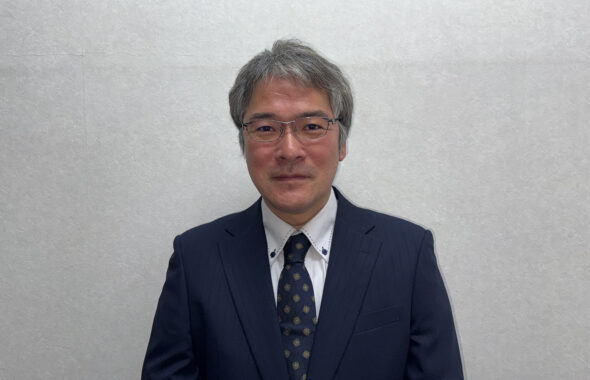
一人ひとりの「楽しい」から未来をつくるCreative Guild。ギルド名鑑では、自分らしい実践を通じて社会と関わる仲間を紹介しています。今回お話を伺ったのは、言語習得ソリューションズ合同会社 代表の木下ロックリー トーマスさんです。大切にしているのは、言葉や文化が違う人どうしが、互いに学び、歩み寄れる関係。日本に来た人が日本語を学び、迎える人も相手を知り、伝え方を工夫する。そんな「一緒に頑張る」経験を、共に暮らし、働き、楽しむ毎日へつなげたい。その思いを、AIを活用した日本語と英語の学習支援として形にしようとしています。
イギリス出身の木下さんは、鳥取の小学校での教育経験を経て、現在は日本大学法学部准教授として英語教育に携わっています。日本と世界のつながりを歴史から探り、日本の文化や歴史を英語で伝える教材も執筆。伝えたい内容と外国語を共に学ぶCLILにも取り組んできました。そして2026年、ジェルソ・ジョと共に、言語習得ソリューションズ合同会社を設立。ごみの出し方、近所への挨拶、医療機関での相談など、暮らしの場面に沿ってAIと聞く・話す練習を重ねる学習支援を開発しています。訪日前の準備から来日後の生活までを見据え、覚えた言葉を、実際に人と関わるための力へ。その接点を、生活の具体的な場面から探っています。
その根底にあるのが、学ぶ努力を互いに分かち合うという考え方です。日本人のスタッフが外国語を学び、海外から来たスタッフも日本語を学ぶ。双方が挑戦すれば、伝わらない難しさも、通じた喜びも分かち合える。完璧に話せなくても、まず伝えてみる。分からなければ、聞き直す。その積み重ねが、相手を知るきっかけになります。木下さんは、カラオケや会食といった生活の楽しみも、学習内容に取り入れようとしています。一緒に過ごしたい時間があるから、話してみたくなる。言葉を学ぶことと、人との関係を育てることを一続きで捉えるところに、教育と異文化の現場に関わってきた木下さんの姿勢が表れています。
ところが、地域や職場には、説明されないまま共有されている当たり前があります。長く暮らす人には何気ない挨拶や手続きも、初めて来た人には、何をどう尋ねればよいのかさえ分からない。迎える側が「知っているはず」と考え、来た側も尋ねることをためらえば、不明点は見えないまま残ります。正しく話せるようになるまで参加を控えると、人と出会い、言葉や文化に慣れる機会も遠のいてしまう。こうした隔たりを、学ぶ人の努力だけで埋めるのは難しいものです。迎える側も自分たちの当たり前を言葉にし、伝わる方法を共に探す。その関係があってこそ、学んだ言葉を使い、新しい一歩を踏み出せるのではないでしょうか。
木下さんは、その一歩を支える仕組みを、日常の場面を練習できる学習支援からつくろうとしています。学校や企業ともつながり、必要とする人へ届けたい。使う人の声を聞き、暮らしの中で役立つ形へ育てていくことが、これからの挑戦です。私たちにも、できることがあります。初めて来た人に分かるように説明し、相手の言葉に耳を傾ける。一緒に食事をして、知らなかった文化を教えてもらう。小さな経験を分かち合ううちに、互いは「迎える人」と「迎えられる人」から、同じまちの暮らしをつくる仲間になっていく。木下さんがそうするように、私たちも分かち合い、一緒に頑張る。その先に創れる未来へと歩み出すことが、いま問われているのかもしれません。
By sharing and making an effort together, we can shape the future
How Thomas Kinoshita Lockley of Language Acquisition Solutions builds relationships across languages and cultures
Creative Guild brings people together to shape the future through what they enjoy. Our Guild Directory introduces people whose individual practices connect them with society. This time, we spoke with Thomas Kinoshita Lockley, the representative of Language Acquisition Solutions, a language-learning venture. What matters to him is a relationship in which people from different linguistic and cultural backgrounds learn from one another and take steps towards each other. People arriving in Japan learn Japanese; those welcoming them also get to know them and find clearer ways to communicate. Kinoshita Lockley wants that experience of making an effort together to become part of living, working and enjoying life together. He and his business partner Joe Geluso are working to give that aspiration practical form through AI-supported learning of Japanese and English.
Originally from the United Kingdom, Kinoshita Lockley worked in primary education in Tottori and now teaches English as an associate professor at Nihon University College of Law. He also explores connections between Japan and the wider world through history and writes materials that introduce Japanese culture and history in English. His work includes content and language integrated learning, or CLIL, in which people learn a foreign language alongside content they want to communicate. In 2026, with his business partner Joe Geluso, he established Language Acquisition Solutions. Based on doctoral research and decades of experience in education, they are developing learning support that uses AI to help people practise listening and speaking in everyday situations, from sorting household rubbish and greeting neighbours to asking for help at a medical facility. Looking from preparation before arrival through life in Japan, they are exploring how the words people learn can become the ability to engage with others in real situations.
Underpinning this work is the idea that people can share the effort of learning. Japanese staff study a foreign language while staff from overseas learn Japanese. When both sides try, they can share the difficulty of not getting their meaning across and the pleasure of being understood. Even without speaking perfectly, they can try to say something and ask again when they do not understand. Those experiences create opportunities to get to know one another. Kinoshita Lockley also intends to include enjoyable aspects of everyday life, such as karaoke and shared meals, in learning materials. Having time they want to spend together gives people a reason to speak. His view of language learning and relationship-building as a connected process reflects his experience in education and across cultures.
Yet neighbourhoods and workplaces have shared assumptions that are rarely explained. Greetings and procedures that seem ordinary to long-term residents can leave newcomers unsure even of what to ask or how to ask it. If hosts assume that people already know, while newcomers hesitate to ask, what remains unclear stays out of sight. Waiting to speak correctly before participating can also put opportunities to meet people and become familiar with a language and culture further out of reach. Such gaps are difficult to bridge through learners’ efforts alone. Those welcoming people can also put their own assumptions into words and look together for ways to communicate. Perhaps it is within such relationships that people become able to use what they have learned and take a new step.
Kinoshita Lockley is working to support that step through opportunities to rehearse everyday situations. He wants to connect with schools and companies to reach those who need them. Listening to users and developing support that proves useful in daily life is the challenge ahead. There are things we can do, too: explain something in a way a newcomer can understand, listen to what the other person is trying to say, share a meal and learn about an unfamiliar culture. Through sharing small experiences, hosts and newcomers can become partners in shaping life in the same community. Following Kinoshita Lockley’s example, we too can share and make an effort together. Perhaps the question before us now is whether we will take a step towards the future that can grow from doing so.




この記事へのコメントはありません。