

Guild名鑑 No.193 北九州 まちはチームだ サイモン・マリィさん
コミュニティの「構造」を捉えよう。
サイモン・マリィさんが北九州で実践する自分らしい日本での働き方
(The English version follows the Japanese text.)
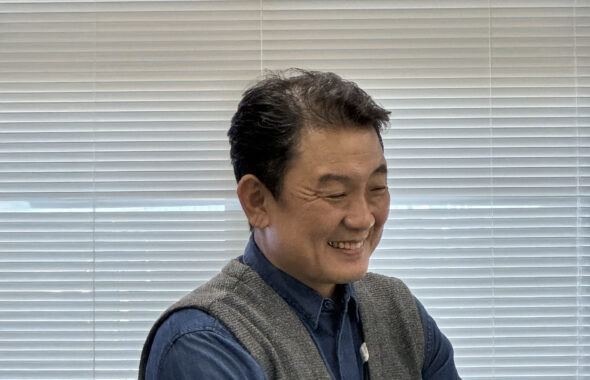
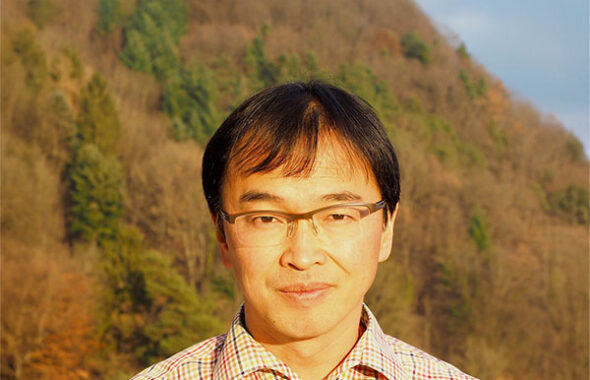
港区を起点にいろんなところで働く・暮らす、楽しい時間を創りたい人たちによるコミュニティCreative Guild。このギルド名鑑ではそんなCreative Guildでつながったユニークな方々をご紹介しています。今回ご紹介するのは、Creative Guildのパートナーである一般社団法人 まちはチームだの一員、サイモン・マリィさん。北九州を拠点に多様なコミュニティに深く関わりながら、その「構造」を見つめ直し、自分らしい日本での働き方を探究しています。
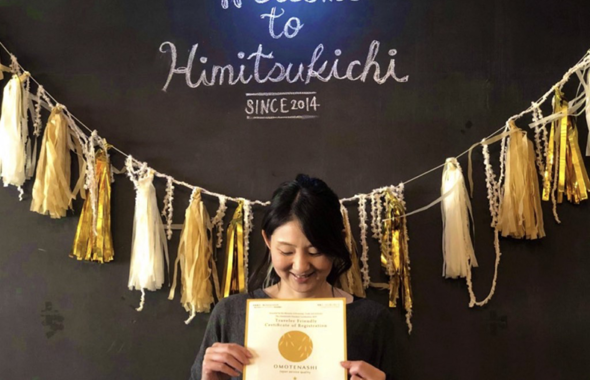
サイモンさんはイギリス出身。北九州で まちはチームだ に関わるようになってから、多様な挑戦を重ねてきました。焼き鳥レストランGill&Coで焼き場に立ち、コワーキングスペース秘密基地やDiscovery Coworkingの運営を支え、関連する地域でのイベントの運営にも積極的に参画。現在はWebツールやAIツールの開発を担いながら、現場の課題解決に奔走しています。役割に縛られず、必要とされる場所に自ら飛び込み続ける実践者です。
そんなサイモンさんが大切にしているのは「内面的なつながり」です。それは単に顔見知りになることではありません。本当は何を考え、何をしたいのか――いわばその人の“ひととなり”を理解し合うこと。肩書や立場、経歴や国籍といった外側の情報ではなく、一人の“ひと”として向き合う姿勢です。その積み重ねこそが、異なる分野や背景を結びつけ、新しい可能性を生み出す土台=コミュニティを築いていく営みでもあります。
私たちは日々、多くの会議を重ね、連絡を取り合い、形式的には十分なコミュニケーションをしているように見えます。しかしその一方で、本当に互いを理解する時間はどれほどあるでしょうか。カジュアルさが失われ、儀礼的なやりとりが増え、役割の中でだけ言葉を交わす。会議はあっても“混ざり合う”瞬間がない。そんな形骸化したコミュニケーションの中で、私たちはいつの間にか、“ひと”として向き合う余白を失い、内面的なつながりの価値を見落としてはいないでしょうか。
サイモンさんは、日本の文化に対する敬意と、北九州という地域への確かな愛着を持っています。だからこそ、従来の働き方にただ合わせるのではなく、コミュニティの「構造」を自分の視点で捉え直し、できることを一つずつ探究していく。その出発点にあるのは、“ひと”としてつながること。そのための余白を大切にし、何よりそのプロセスを“楽しい”ものにしようと工夫し続けています。自分のために、家族のために、仲間のために。その姿勢は、私たち一人ひとりが、自分とチームと地域を育んでいくために忘れてはならない大切なヒントなのかもしれません。
Understanding the “Architecture” of Community
Simon Malley’s Way of Working Authentically in Japan from Kitakyushu
Creative Guild is a community based in Minato Ward, bringing together people who want to work, live, and create meaningful and joyful moments across different places. In this Guild Directory, we introduce unique individuals connected through Creative Guild. This time, we are featuring Simon Malley, a member of Machi wa Team da, a partner of Creative Guild. Based in Kitakyushu, Simon is deeply involved in diverse communities, continuously reflecting on their underlying “architecture” while exploring what it means to work authentically in Japan.
Originally from the UK, Simon has taken on a wide range of challenges since becoming involved with Machi wa Team da in Kitakyushu. He has stood behind the grill at the yakitori restaurant Gill & Co, supported the operations of coworking spaces such as Himitsukichi and Discovery Coworking, and actively contributed to local events. Today, he develops web and AI tools while running between sites to help solve practical challenges on the ground. Rather than confining himself to a single role, he steps into whatever space needs support — a true practitioner who moves where he is needed.
What Simon values most is what he calls “inner connection.” It is not simply about becoming acquaintances. It means understanding who a person truly is — what they are thinking, what they hope to do — in other words, recognizing their humanity. Instead of focusing on external labels such as titles, positions, career histories, or nationality, he chooses to engage with each person as a human being. This steady accumulation of genuine connection becomes the foundation upon which different fields and backgrounds intersect, creating new possibilities. In that sense, this is what Simon means by “community.”
We attend countless meetings, exchange messages, and communicate constantly. On the surface, it may appear that communication is more than sufficient. But how much time do we actually spend understanding one another? Casual exchanges disappear, interactions become ceremonial, and conversations stay confined within predefined roles. Meetings happen, yet ideas rarely mix. In such formalized communication, have we gradually lost the space to encounter each other as people — and overlooked the true value of inner connection?
Simon holds deep respect for Japanese culture and a genuine affection for the region of Kitakyushu. Precisely because of that respect, he does not simply conform to conventional ways of working. Instead, he reexamines the “architecture” of community from his own perspective and continues to explore what he can do within it. His starting point is always a human connection. He protects the white space necessary for that connection to exist and constantly looks for ways to make the process enjoyable.
For himself. For his family. For his colleagues. His approach may offer an important reminder to all of us — a reminder that nurturing ourselves, our teams, and our communities begins not with efficiency or structure alone, but with the willingness to truly connect.

この記事へのコメントはありません。