
ゆっくりAI勉強会 第23回レポート|Claude Code実践で“AIに任せる”業務設計
ゆっくりAI勉強会 第23回レポート
~ “AIに任せる”を現実にする、業務設計のヒント ~
(The English version follows the Japanese text.)
港区を起点に、いろいろな場所で働き、暮らし、楽しい時間を創りたい人たちによるコミュニティ「Creative Guild」。AI技術のトレンドを学びながら、参加者同士の交流を深める企画「ゆっくりAI勉強会」を継続的に開催しています。
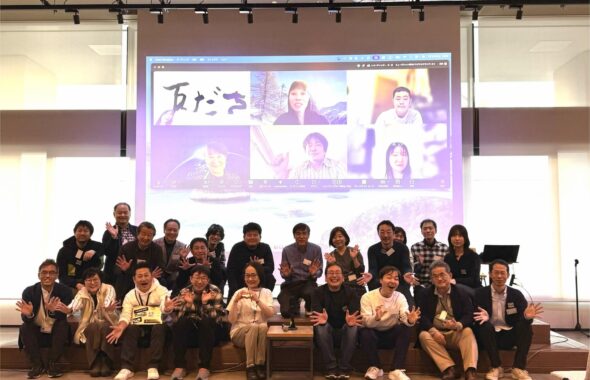
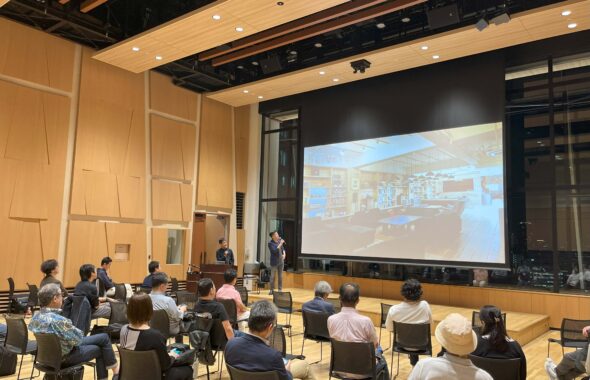
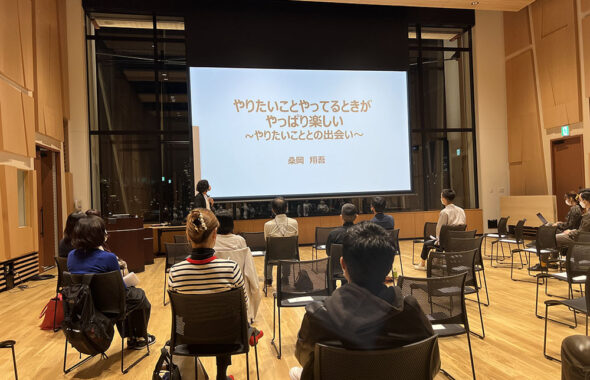
2026年7月15日に開催した第23回のテーマは、Claude Code実践編。第22回のClaude Code入門編を踏まえ、今回はAIを実際の仕事の中でどう動かし、どこまで任せていくのかを、具体的なデモと参加者との対話を通じて考えました。
今回、特に印象的だったのは、AI活用が「質問して答えを返してもらう」段階から、「ひとまとまりの仕事を一定時間任せる」段階へ進んでいることでした。
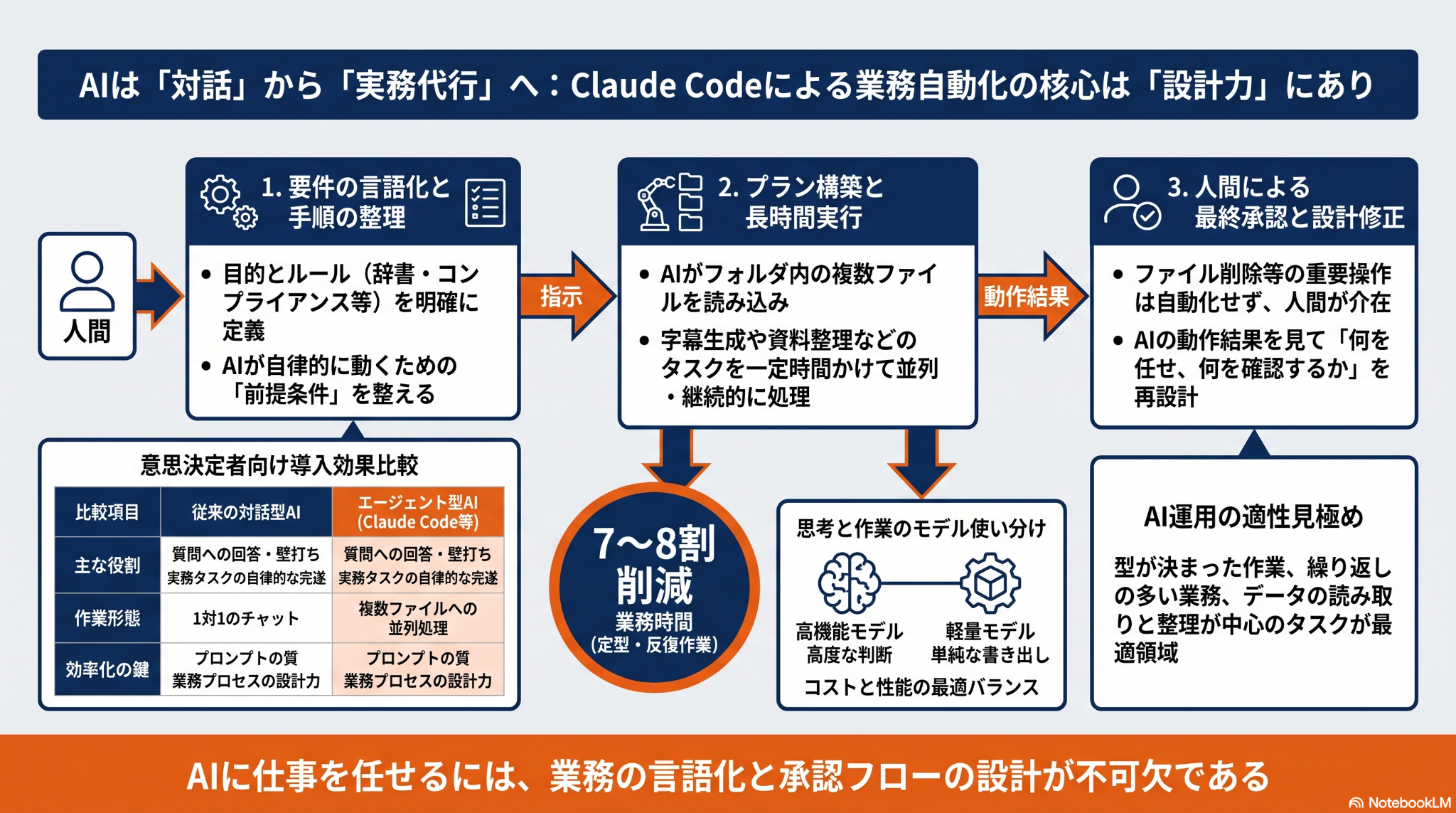
これまでの対話型AIでは、AIから回答を受け取ったあと、人が内容をコピーし、別のファイルやツールへ移しながら、次の作業を進める使い方が中心でした。一方、Anthropicが提供するClaude CodeのようなAIエージェント型のツールでは、目指すゴールと必要な資料、ルール、作業環境を渡すことで、AIがファイルを読み、複数の工程を連続して進められるようになります。
デモで紹介されたのは、動画の字幕データを整える業務です。動画の字幕は、単に音声を文字にすれば完成するものではありません。誤字や誤変換の修正、固有名詞や専門用語の統一、コンプライアンス上の表現確認、重要な発言の抽出、テロップを表示する箇所の選定など、いくつもの作業が含まれています。
今回は、字幕データに加えて、用語辞書や作業ルール、手順書などを同じフォルダに置き、AIにまとめて読み込ませながら処理する流れが紹介されました。当日の事例では、こうした仕組みによって、作業時間を7〜8割程度短縮できているとのことでした。
ただし、これはAIが何でも自動で正しく処理してくれるという意味ではありません。今回のデモから伝わってきたのは、AIの性能以上に、必要な情報や手順を整理してから仕事を渡すことが大切であるという点でした。
AIエージェント活用の成否は、AIが作業を始めたあとではなく、仕事を渡す前の設計によって大きく左右されます。
参加者からも、「最初の要件定義が難しい」「どこまでAIに進めさせてよいのか判断に迷う」といった、かなり実践的な質問が寄せられました。
AIに任せる仕事が大きくなるほど、最初に「何を実現したいのか」「何を参照するのか」「どこまで進めてよいのか」「どの状態を完成とするのか」を決めることが重要になります。目的や条件が曖昧なまま作業を始めさせると、AIが長く働いてくれたとしても、期待とは異なる方向へ進んでしまう可能性があります。
そこで役立つのが、実行前に作業計画を確認するプランモードです。いきなりファイルを書き換えさせるのではなく、まずAIに進め方を整理させ、人がその内容を確認してから実行へ移します。これはAIのためだけではなく、人間側が自分の目的や条件を整理するための工程でもあります。
初心者にとって難しいのは、AIの操作そのものより、自分の仕事の目的や条件を十分に言葉にできないことかもしれません。何を作りたいのか、誰が使うのか、守るべきルールは何か、どのような状態なら成功といえるのか。AIと計画を確認する過程は、こうした人間側の曖昧さを整理する補助線にもなります。
もう一つの重要な論点が、承認と確認の仕組みです。AIから「この作業を進めてよいですか」と聞かれたとき、何を承認し、どこで慎重になるべきなのか。基本的な情報整理や、あとから修正できる処理であれば、ある程度任せることができます。一方、ファイルの削除や上書き、外部への公開など、影響が大きく元に戻しにくい操作については、人が内容を確認して判断する必要があります。
AIに長く任せられるようになるほど、重要になるのは「すべてを自動化すること」ではなく、どこで人が確認し、必要に応じて止めるのかをあらかじめ設計しておくことです。「何を任せるか」と「どこで止めるか」は、AIエージェントを安全に活用するための一組の設計だといえます。
当日は、動画編集や経理業務など、具体的な仕事への応用についても話が広がりました。
経理業務のように、扱うデータや帳票、勘定科目、処理のルールが比較的明確な仕事は、AIを活用しやすい領域です。領収書の読み取り、データ整理、ルールに基づく仕分けなど、型が決まっている作業では、AIに一定の工程を任せられる可能性があります。
動画編集でも、字幕の修正や素材整理、カット候補の抽出といった下準備にはAIを活用できます。一方で、映像のテンポや見栄え、視聴者に与える印象など、文脈や感性によって判断が変わる部分では、まだ人の経験や美意識が大きな役割を果たします。
この違いを考えると、AIに任せやすいのは、手順や判断基準を言葉にでき、繰り返しが多く、扱うデータが整理されている仕事だと分かります。反対に、微妙なニュアンスや人間関係、その場の文脈、最終的な美意識が求められる仕事では、人が判断を握る必要があります。
AIに何を任せるかを考えることは、自分の仕事の中にある「型」と「人にしかできない判断」を見つけ直すことでもあります。参加者それぞれが、「自分の仕事のどこならAIに渡せそうか」を考える空気が生まれていたことも、今回の勉強会で印象に残った場面でした。
AIに長い作業を任せる場合、利用するモデルや計算資源の使い分けも必要になります。複雑な方針を考えたり、作業計画を組み立てたりする場面では、高度なモデルが力を発揮します。一方、決められた形式で文章を書き出す、情報を分類するといった比較的単純な処理では、より軽量なモデルでも十分に対応できることがあります。
すべての作業に最も高性能なモデルを使えばよいとは限りません。仕事の難しさや重要性に応じてモデルを使い分けることは、利用上限やコストを管理するうえでも大切です。これから求められるのは、AIを最大限に使うことではなく、それぞれの仕事に合わせてAIを最適に配置することなのかもしれません。
今回の勉強会はClaude Codeの実践編でしたが、それ以上に、「AIをどう仕事に組み込むか」を考える回になりました。
AIエージェント活用の本質は、ツールの新しさだけにあるのではありません。仕事を任せられる単位に分け、必要な資料とルールを揃え、確認するポイントを決めること。そのうえで結果をレビューし、次の作業に向けて改善を重ねていくことにあります。
AIと会話するだけで終わらせず、何を任せ、どこで確認し、何を人が判断するのか。対話型AIの先に進むためには、私たち自身が仕事の目的や進め方を理解し、AIが扱える形へ再設計していく必要があります。
30分という短い時間ながら、自分の仕事をあらためて見つめ直し、AIとの新しい役割分担を考える、とても実践的な時間となりました。ゆっくりAI勉強会では、これからも最新の技術を“ゆっくり”と学びながら、仕事や暮らし、コミュニティの中での活かし方を、皆さんと一緒に探究していきます。
※ご留意ください
本記事は、Creative Guildで開催した勉強会の内容をもとに、AI(ChatGPT)を活用して作成しています。内容の正確性や完全性を保証するものではありません。ご自身の判断や追加の調査とあわせてご活用ください。Creative Guildは、本記事の内容に基づいて生じた結果について責任を負いかねますので、あらかじめご了承ください。
Yukkuri AI Study Session Report Vol. 23
Making AI Delegation Real: Practical Insights for Work Design
日本語版に戻る / Back to the Japanese text
Creative Guild is a community for people who work and live in Minato City and beyond and want to create enjoyable moments together. Through the Yukkuri AI Study Session, participants learn about emerging AI trends while building connections and exploring how these technologies can be used in work, everyday life, and community activities.
The theme of the 23rd session, held on July 15, 2026, was putting Claude Code into practice. Building on the introductory Claude Code session in Vol. 22, this session focused on how AI can operate within real workflows, how much work can be delegated to it, and where human judgment should remain essential.
One of the most important observations from the session was that AI use is moving beyond asking questions and receiving answers. We are entering a stage in which people can delegate a meaningful unit of work to AI and allow it to continue working for a certain period of time.
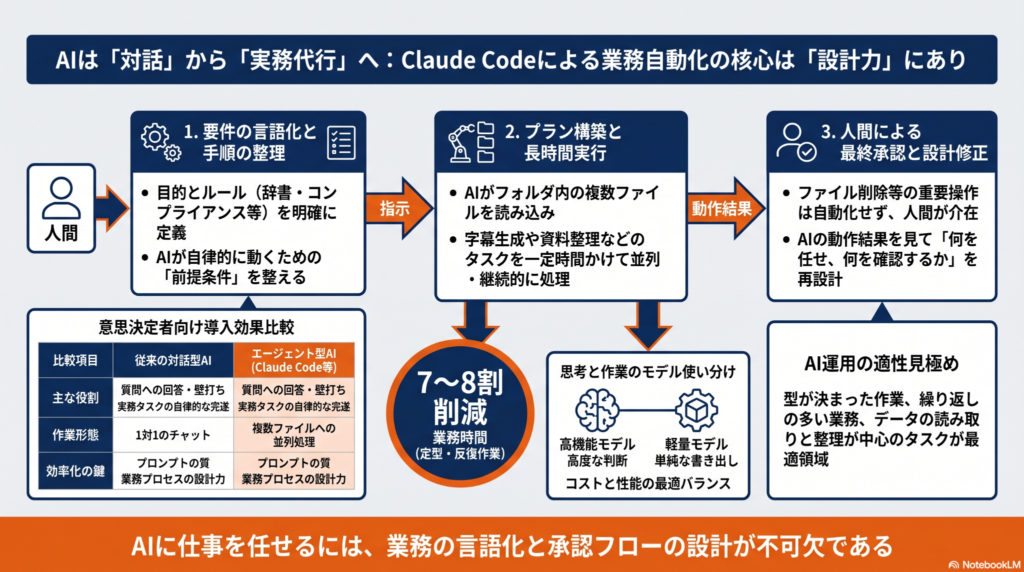
With conventional chat-based AI, users typically receive an answer, copy the result into another file or tool, and then continue the next step themselves. With AI agent tools such as Anthropic’s Claude Code, users can provide a goal, relevant materials, rules, and a working environment, allowing the AI to read files and carry out several connected steps.
The demonstration used video subtitle processing as a practical example. Producing usable subtitles involves much more than converting speech into text. The process may include correcting transcription errors, standardizing names and technical terms, checking expressions for compliance, identifying key statements, and deciding which parts should appear as prominent on-screen captions.
In the demonstrated workflow, subtitle data, terminology dictionaries, operating rules, and instructions were placed in the same folder and provided to the AI as a shared working context. According to the example presented during the session, this approach had achieved a reduction of approximately 70 to 80 percent in working time.
This does not mean that AI can automatically complete every task correctly. The more important lesson was that the way work is prepared and handed over often matters as much as, or more than, the capability of the AI model itself.
The success of AI agent use is determined not only after the AI begins working, but largely by the design decisions made before the task is delegated.
Participants raised practical questions such as, “Defining the initial requirements is difficult,” and “How can I decide how far the AI should be allowed to proceed?”
As the size of a delegated task increases, it becomes more important to clarify what should be achieved, which materials should be referenced, how far the AI may proceed, and what conditions define completion. If the purpose and constraints remain vague, the AI may work efficiently while still moving in the wrong direction.
This is where a planning mode becomes valuable. Instead of allowing the AI to modify files immediately, users can first ask it to describe its intended approach and review the plan before execution. This is not only a safeguard for the AI’s work. It is also a process that helps humans clarify their own goals, assumptions, and requirements.
For beginners, the main difficulty may not be operating the AI itself. The greater challenge is often expressing the purpose and conditions of their own work clearly. What are we trying to create? Who will use it? Which rules must be followed? What would a successful outcome look like? Reviewing a plan with AI can help make these previously implicit conditions visible.
Another important topic was the design of approvals and checkpoints. When an AI asks whether it should proceed, users need to understand which actions can be safely approved and which require more careful review. Routine organization and reversible changes may be delegated with relative confidence. However, file deletion, overwriting, external publication, and other high-impact or difficult-to-reverse actions should remain subject to human confirmation.
As AI becomes capable of working for longer periods, the goal should not be to automate everything. What matters is designing where humans will review the work and where they must be able to stop or redirect it. Deciding what to delegate and deciding where to intervene are two sides of the same workflow design.
The discussion also expanded to practical applications in areas such as video editing and accounting.
Accounting work can be compatible with AI because its data, documents, account categories, and processing rules are often relatively structured. Tasks such as reading receipts, organizing data, and applying predefined classification rules may be suitable for partial delegation.
In video editing, AI can assist with preparation work such as correcting subtitles, organizing materials, and identifying possible cut points. However, human experience and aesthetic judgment remain highly important when deciding the pace of a video, its visual quality, and the impression it should create for viewers.
This comparison suggests that AI is particularly effective for work with explainable procedures, relatively clear decision criteria, repeated steps, and well-organized data. Work that depends heavily on subtle context, relationships, emotional nuance, or aesthetic quality still requires stronger human involvement.
Thinking about what to delegate to AI also helps us rediscover which parts of our work follow a repeatable pattern and which parts depend on distinctly human judgment. One of the most memorable aspects of the session was seeing participants begin to ask themselves which parts of their own work could be handed over to AI.
When AI is assigned longer tasks, it is also important to use models and computational resources appropriately. More capable models may be valuable when developing a strategy or planning a complex workflow. Lighter models may be sufficient for more straightforward work such as writing in a predefined format or classifying information.
Using the most powerful model for every task is not always the best choice. Selecting models according to the difficulty and importance of the work also helps manage usage limits and costs. The next stage of AI use may therefore be less about maximizing AI usage and more about placing the right AI capability in the right part of the workflow.
Although this was a practical Claude Code session, its deeper theme was how to integrate AI into real work.
The essence of AI agent use is not simply the novelty of the tool. It lies in breaking work into delegable units, preparing the necessary information and rules, defining checkpoints, reviewing results, and improving the process for the next cycle.
Moving beyond conversational AI requires us to decide what AI should handle, where humans should review the work, and which decisions must remain under human control. It also requires us to understand our own work well enough to redesign it in a form that AI can process.
Although the session lasted only 30 minutes, it offered a highly practical opportunity to reconsider our work and explore a new division of roles between humans and AI. Through the Yukkuri AI Study Session, Creative Guild will continue learning about new technologies slowly and steadily while exploring together how they can support work, everyday life, and community building.
Please note:
This article was created with the assistance of AI using content from a study session hosted by Creative Guild. The accuracy and completeness of the information cannot be guaranteed. Please use your own judgment and conduct additional research where appropriate. Creative Guild cannot accept responsibility for decisions or outcomes based on the content of this article.

この記事へのコメントはありません。