
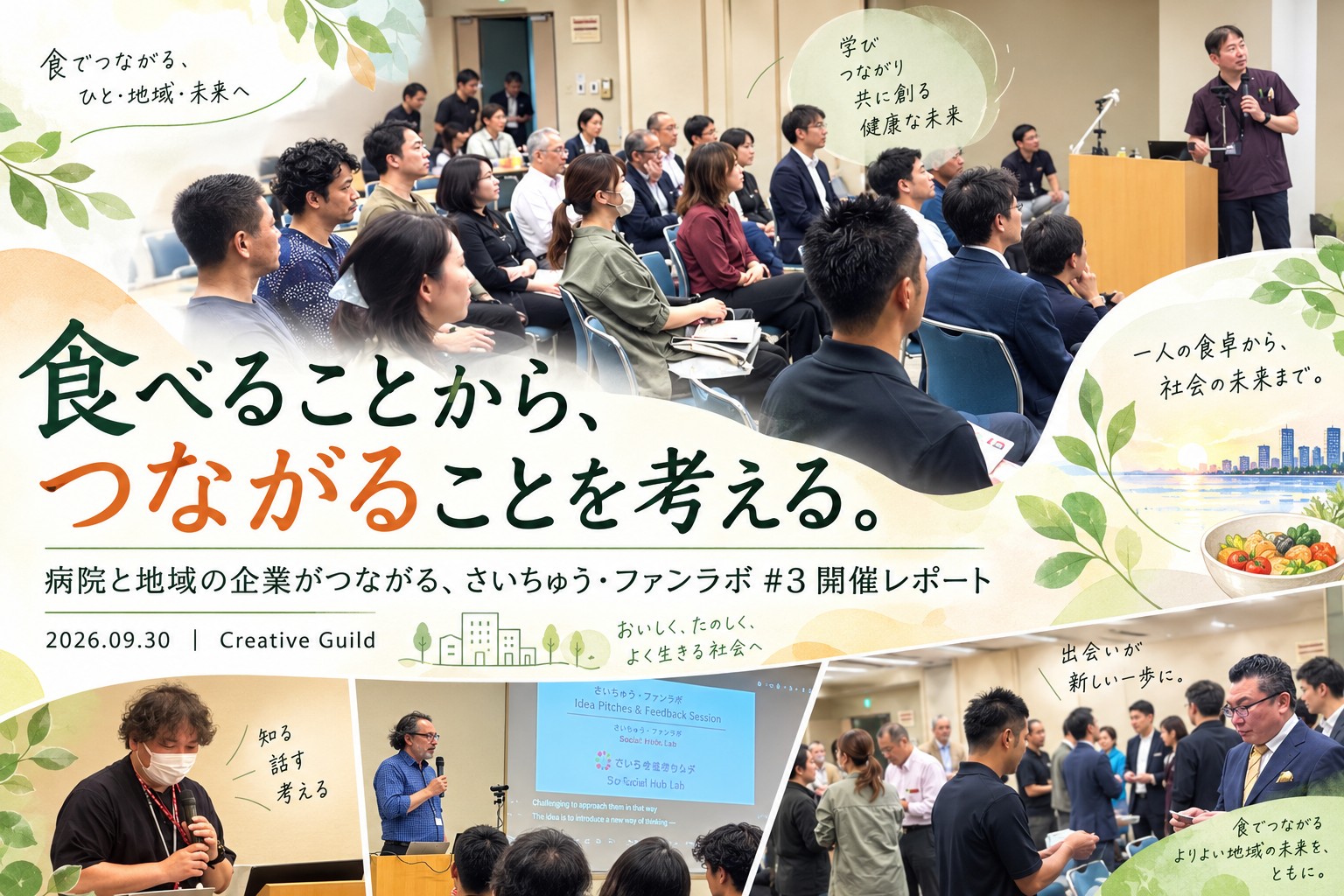
食べることから、つながることを考える。 病院と地域の企業がつながる、さいちゅう・ファンラボ #3 開催レポート
食べることから、つながることを考える。
病院と地域の企業がつながる、さいちゅう・ファンラボ #3 開催レポート
(The English version follows the Japanese text.)
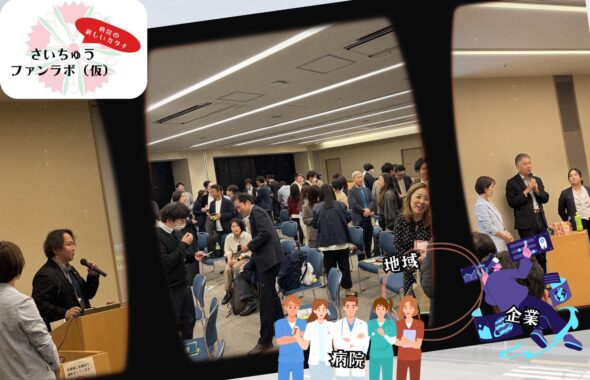
2026年9月30日、東京都済生会中央病院で「さいちゅう・ファンラボ #3」を開催しました。今回のテーマは「食べることから考える、わたしたちの健康」。
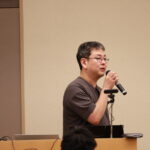
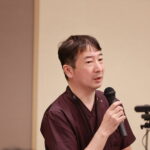
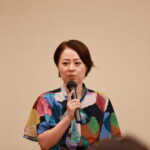
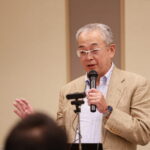
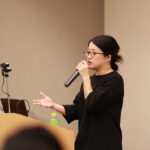
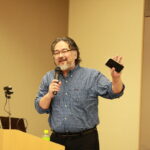
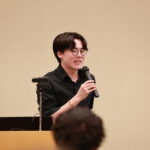
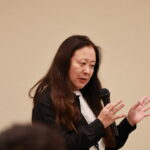
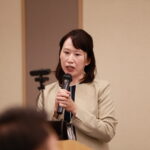
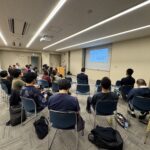
病院の管理栄養士をはじめ、歯科医師、医師、摂食嚥下に取り組む当事者コミュニティ、高齢者コミュニティ、AI・ヘルスケアに関わる実践者など、多様な立場の方々が集まりました。
最初のチェックインでは、「食について学びたい」という声とともに、「つながりたい」「食関係の友達をつくりたい」「思いが近い人と知り合いたい」といった声も。今回も、知識を持ち帰るだけではなく、病院という場をきっかけに新しい関係をつくることからスタートしました。
「健康な食事」に、ひとつの正解はある?
まず東京都済生会中央病院の栄養管理科から、病院食について話題提供いただきました。
病院食は、日本人の食事摂取基準だけでなく、疾患ごとのガイドライン、摂食嚥下機能、食物アレルギーなど、さまざまな条件を踏まえて設計されています。特に盛り上がったのが塩分の話。日本人の平均的な摂取量と目標量にはまだ差があり、「自分はどのくらい摂っているんだろう?」と、自分自身の食生活を振り返るきっかけになりました。
一方、グループで話してみると、「ジャンクフードは全部ダメなのか」「健康より満足を優先したいこともある」「どんな気持ちで食べるかも大切なのでは」と、さまざまな意見が出てきます。
ここから見えてきたのは、健康とは単に“正しいものを食べること”ではないということ。栄養や疾病予防と、おいしさ、楽しさ、満足感、自分で選べること。そのバランスを自分なりに見つけていくことも、健康の大切な一部なのかもしれません。
食べることは、社会とつながること
続くショートピッチでは、「食」を入口に、さらに世界が広がりました。
摂食嚥下障害のある子どもと家族のコミュニティ「スナック都ろ美」から紹介されたのは、「介護食」ではなく、みんなで一緒に食べられる“インクルーシブフード”という考え方です。食べられるメニューやミキサー、休める場所などがあることで、外出できる。そして外へ出ることで、人と出会える。
また、50歳以上のコミュニティ「おしるこ」からは、一緒に食べ、その場で交流し、帰宅後もデジタルでつながるシニア食堂の実践が紹介されました。
食には身体をつくる役割だけでなく、人が外へ出る理由をつくり、誰かと話し、社会との接点を持ち続ける力があります。
孤食を単純になくすのではなく、「必要なときに誰かとつながれる状態」をどう増やしていくか。今回の対話から、そんな問いも見えてきました。
病院が、元気なときからつながる場所へ
東京都済生会中央病院では、すでに地域の高齢者を対象としたシニア食堂も始まっています。
さらに2027年に向けて検討されている済生会フェアも、病院だけで企画するのではなく、地域住民、企業、学校、福祉団体などと一緒につくる方向へ。「知る」「整える」「備える」「楽しむ」「提案する」というさまざまな入口から、病院と地域がつながる構想が描かれています。
病院は、「病気になったら行く場所」だけなのでしょうか。
食べる。話す。遊ぶ。学ぶ。誰かに会う。そんな日常の中から健康と接点を持てるなら、病院は元気なときから地域とつながっている場所にもなれるはずです。
話して終わらず、一緒に試してみる
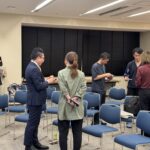
終了後には、「コラボにつながりそうな出会いがあった」「医療関係の方とつながりたい」「夢にとどまらず実際の動きにつなげたい」といった声も寄せられました。
今回の一番の成果は、答えが出たことではありません。一緒に試してみたい問いと、一緒に試せそうな人が出会ったこと。
話す。つながる。小さく試す。そして、また共有する。
食べることは、生きること。そして、誰かとつながること。さいちゅう・ファンラボでは、そんな小さな実践を、これからも病院・地域・企業のみなさんと一緒につくっていきます。
関連情報・参考リンク

Thinking About Connection Through Eating.
Connecting the Hospital and Local Businesses: Saichu Fan Lab #3 Event Report
On September 30, 2026, Saichu Fan Lab #3 took place at Tokyo Saiseikai Central Hospital. The theme was “Thinking About Our Health Through Eating.”
Participants brought a wide range of perspectives: hospital dietitians, dentists, physicians, a community of children with eating and swallowing difficulties and their families, a senior community, and practitioners working in AI and healthcare.
During the opening check-in, people expressed a desire not only to learn about food, but also to connect, make friends involved in food, and meet people with similar interests. The session began with the hospital as a setting for building new relationships, as well as sharing knowledge.
Is There One Right Answer to “Healthy Eating”?
The hospital’s nutrition management department first shared how hospital meals are designed.
Meal planning takes into account Japanese dietary reference intakes, guidelines for specific diseases, eating and swallowing abilities, and food allergies. Salt intake sparked particular interest. The gap between average intake in Japan and target levels prompted participants to reflect on their own eating habits and ask, “How much am I actually consuming?”
Group discussions brought a range of views: Is all junk food bad? Are there times when satisfaction matters more than health? Does how we feel while eating also matter?
These conversations suggested that health involves more than simply eating the “right” foods. Nutrition and disease prevention need to be considered alongside taste, enjoyment, satisfaction, and the ability to choose. Finding a balance that works for each person may also be an important part of health.
Eating Is a Way of Connecting with Society
The short pitches that followed opened up a wider world through food.
Snack Toromi, a community of children with eating and swallowing difficulties and their families, introduced “inclusive food”: food that everyone can enjoy together. Having suitable menus, a blender, and a place to rest can make going out possible. Going out, in turn, creates opportunities to meet people.
Oshiruco, a community for people aged 50 and over, shared a senior dining initiative where participants eat and interact together, then stay connected digitally after returning home.
Food does more than support the body. It can give people a reason to go out, talk with others, and maintain contact with society.
Rather than treating every instance of eating alone as a problem, how can we create more opportunities for people to connect with someone when they need to? That question also emerged from the dialogue.
A Hospital as a Place to Connect While We Are Well
Tokyo Saiseikai Central Hospital has already started a senior dining initiative for older people in the local community.
The Saiseikai Fair being considered for 2027 is also moving toward a format co-created with local residents, businesses, schools, and welfare organizations. Five proposed zones—learning, getting in shape, preparing, enjoying, and proposing ideas—offer different ways for the hospital and community to connect.
Is a hospital only a place we visit when we become ill?
Eating, talking, playing, learning, and meeting someone can all create everyday contact with health. Through such activities, a hospital could also become a place that connects with its community while people are well.
Moving from Conversation to Trying Something Together
After the session, participants spoke about encounters that might lead to collaboration, wanting to connect with healthcare professionals, and turning ideas into real action.
The session’s greatest achievement was not reaching a final answer. It was bringing together questions people wanted to explore and people they could explore them with.
Talk. Connect. Try something small. Then share what we learn.
Eating is part of living—and part of connecting with others. Saichu Fan Lab will continue developing these small practices together with the hospital, local communities, and businesses.


この記事へのコメントはありません。