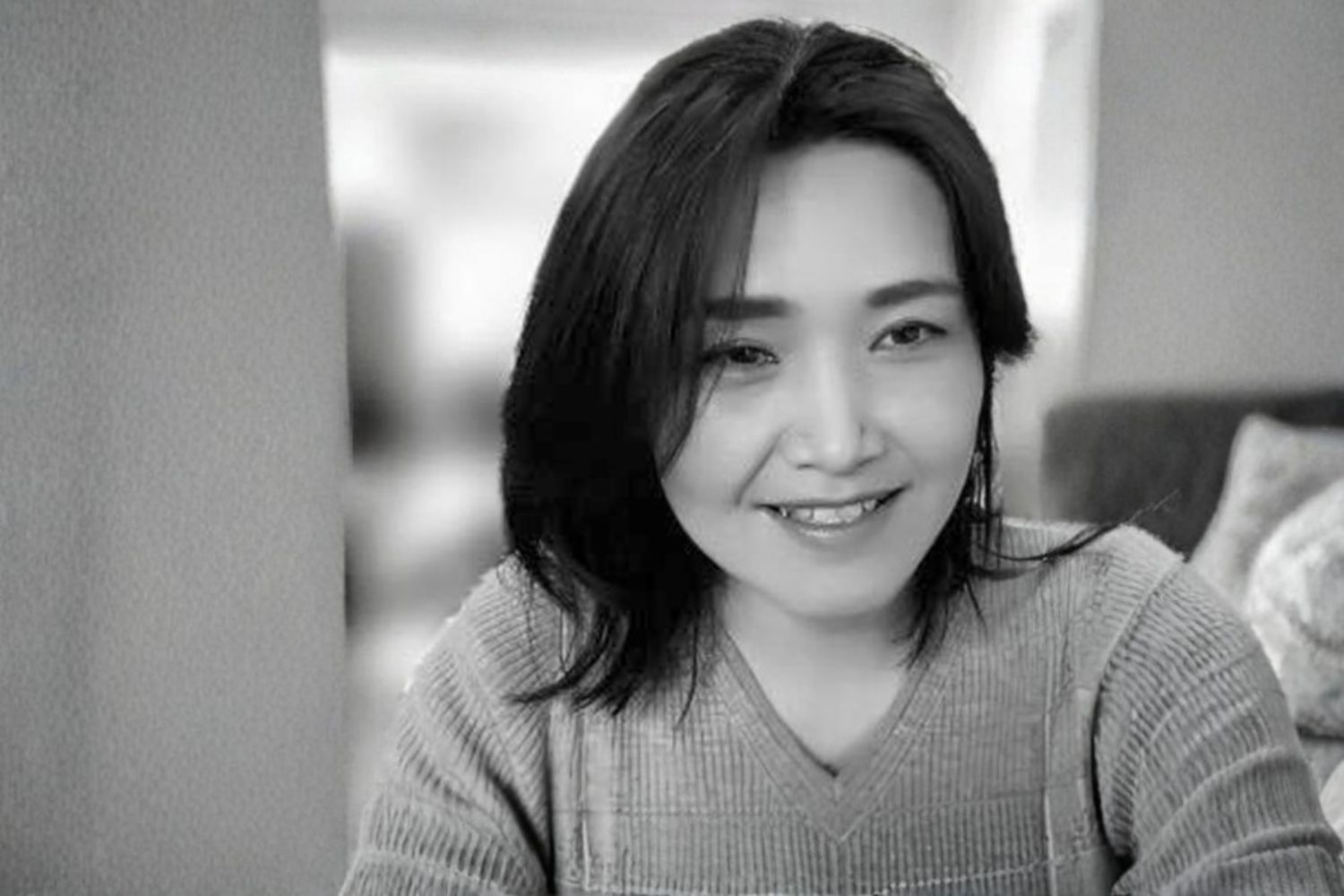
Guild名鑑 No.185 医療実装支援機構 横山 英理子さん
健康と経済が両立する社会を。
“ひと”で動かす、横山 英理子さんの医療×企業×地域の実装モデル。
(The English version follows the Japanese text.)
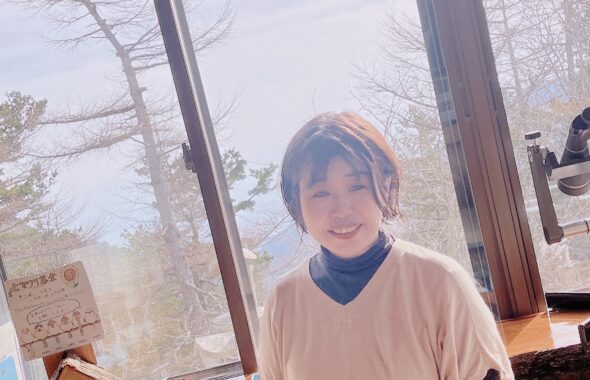
港区を起点にいろんなところで働く・暮らす、楽しい時間を創りたい人たちによるコミュニティCreative Guild。このギルド名鑑ではそんなCreative Guildでつながったユニークな方々をご紹介しています。今回ご紹介するのは、株式会社 医療実装支援機構 代表取締役 横山英理子さん。医療と企業、そして地域を“ひと”でつなぎ、健康と経済が両立する社会の実装に、現場のリアリティをもって挑み続けています。
横山さんは看護師として現場の経験を礎に、人材紹介や在宅医療、開業支援、新規事業伴走などを通じて、医療を“外側から支える”立場へと進化してきました。「人と人をつなぐ」という軸で分野を越えた挑戦を重ねてきています。現在は株式会社医療実装支援機構を立ち上げ、大企業のヘルスケア新規事業と病院現場をつなぐ実証・実装支援を展開。また、東京都済生会中央病院のコミュニティ・マネージャーとして、地域も巻き込んだ施策推進にも取り組んでいます。
そんな横山さんが大切にしているのは、“つながり”そのものの価値です。ただ人を紹介するのではなく、互いの立場や事情、葛藤や制約まで理解したうえで、公平に、そして関わる人すべてが楽しく、うれしくなれる――豊かさや幸せを実感できる循環を常に意図しています。だからこそ理想論ではなく、徹底した現場目線。病院や企業だけでなく、地域のリアルな声に耳を傾け、小さくても一歩を踏み出す。そして、その積み重ねによって“ひと”と“ひと”の信頼をネットワークのように張り巡らせ、“つながり”を新たな価値を生み出す創造の基盤へと育て続けているのです。
健康は誰にとっても大切です。しかしながら、そのための学びや投資を後回しにしてはいないでしょうか。企業は医療に可能性を感じつつも実装に踏み込めず、病院は多忙な現場の中で変革に割く余白を持てない。行政もまた、制度の枠組みの中で具体策へと落とし切れない。お互いの枠の中で考え、それが固定化していく。結果として私たちは、「健康のためには頑張らないといけないもの」「健康と経済は両立しないもの(ときに経済のために健康は犠牲にされるもの)」という無意識の意識があるかもしれません。
だからこそ、横山さんの医療分野と企業をつなぐ、健康と経済の両輪を回していく挑戦は大きな価値があります。そしてさらに地域を巻き込んでいく取り組みは、本当の意味で誰もが心豊かに過ごせる社会を築くことへとつながっていきます。なにより“ひと”を起点としていることは、組織体制や社会環境が変わったとしても、未来への想いを共有し動き続けるエンジンになり得ます。横山さんがそうするように、私たちもまずは“ひと”としてつながることから、健康という自分自身と社会の財産を大切に育んでいきたいですね。その先にはきっと“楽しい”から始まる未来につながっていますから。
Toward a Society Where Health and the Economy Coexist
Eriko Yokoyama’s Human-Centered Model for Bridging Healthcare, Business, and Community
Creative Guild is a community rooted in Minato City, bringing together people who seek to create meaningful and enjoyable ways of living and working. Through this Guild Directory, we introduce unique individuals connected through Creative Guild. This time, we are proud to feature Eriko Yokoyama, CEO of the Institute for Healthcare Implementation Support. By connecting healthcare, corporations, and local communities through the power of people, she is driving real-world implementation toward a society where health and economic vitality coexist.
Grounded in her hands-on experience as a registered nurse, Yokoyama transitioned into roles that support healthcare from the outside—spanning medical recruitment, home-care initiatives, clinic launch support, and new business incubation. Along the way, she has pursued bold and unconventional ventures, including launching a matchmaking business—always guided by one consistent theme: connecting people in meaningful ways. Today, through her organization, she supports large corporations in implementing healthcare-related new business initiatives by bridging them with hospital settings. From designing clinical validation frameworks to facilitating joint pilot projects, she acts as a cultural and operational translator between corporate strategy and medical reality. She also serves as a Community Manager at Tokyo Saiseikai Central Hospital, advancing initiatives that extend beyond hospital walls to engage the broader community.
What Yokoyama values most is the inherent power of connection itself. She does not simply introduce people to one another. Instead, she carefully designs ecosystems where stakeholders—each with their own constraints, concerns, and ambitions—can engage fairly and create cycles of mutual benefit. For her, meaningful connection is not an abstract ideal; it is a structure that allows everyone involved to experience genuine fulfillment and shared value. That is why her work is grounded in practical reality rather than theoretical idealism. She listens closely to voices from hospitals, corporations, and communities alike. She believes in taking small but concrete steps forward—even when the path is unclear. Through these repeated actions, she builds networks of trust that become fertile ground for new forms of value creation.
Health matters to everyone. And yet, are we truly investing in learning about it, prioritizing it, and designing around it? Corporations may recognize opportunity in healthcare but hesitate when it comes to implementation. Hospitals are stretched thin, with little bandwidth for transformation. Governments, too, struggle to translate policy frameworks into concrete action. Over time, institutional constraints and invisible “frictions” become normalized. We may have unconsciously accepted assumptions such as: health is a special domain separate from economic logic, or that health and economic growth cannot coexist—sometimes even believing that economic priorities must come at the expense of health.
That is precisely why Yokoyama’s work—connecting healthcare and corporations, and advancing the dual engine of health and economic vitality—holds significant value. By further engaging the local community, her initiatives move us closer to a society where everyone can live with genuine well-being. Above all, by placing “people” at the center, her approach becomes an engine that continues to move forward, even as organizational structures and social environments change. As Yokoyama demonstrates, perhaps we too can begin by connecting as individuals—nurturing health as both a personal and societal asset. Beyond that, a future that begins with “fun” may already be within reach.

この記事へのコメントはありません。