
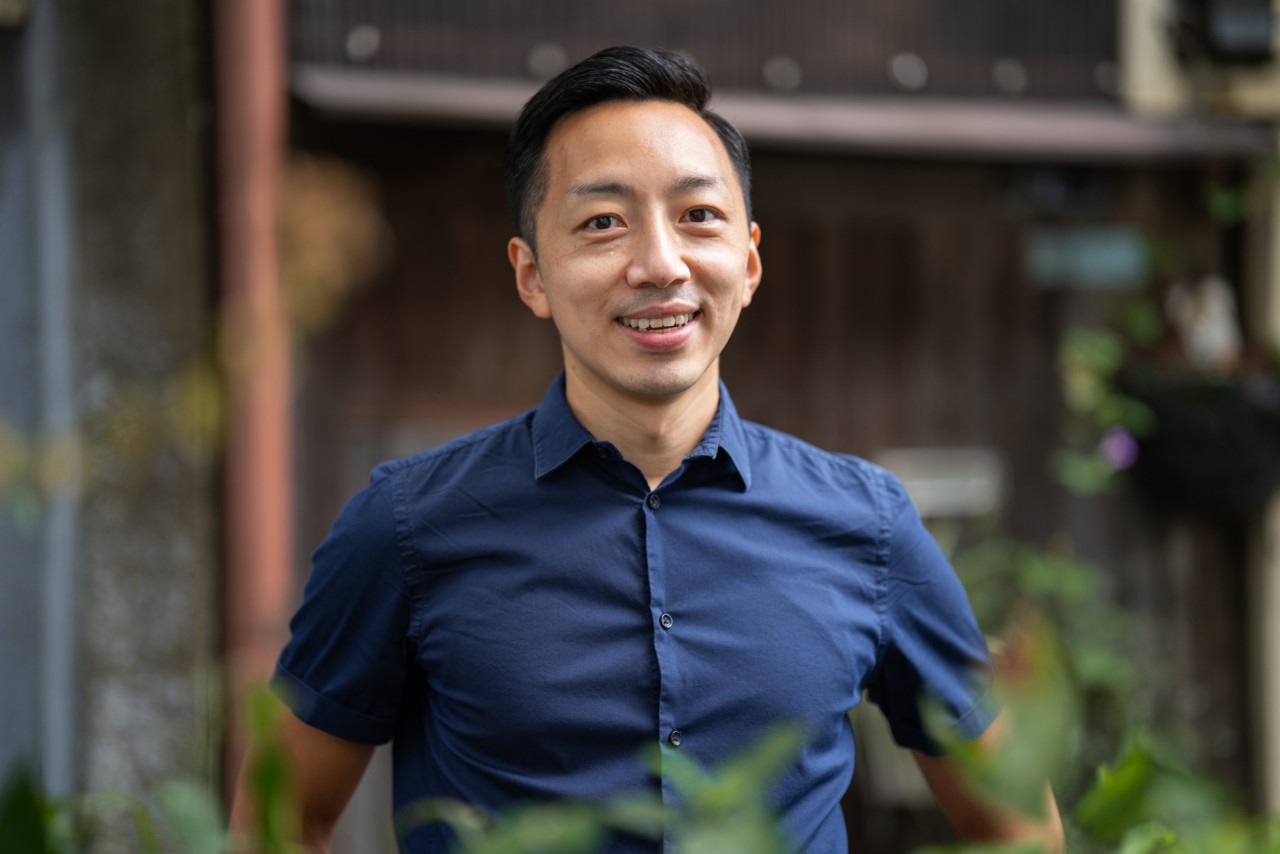
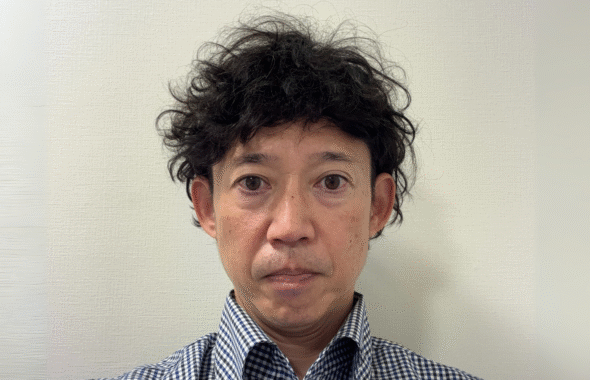
Guild名鑑 No.182 KiFor 代表 フランシス・フォンさん
温故知新で社会を再起動する
KiFor代表 フランシス・フォンさんが描く“利益と善意の循環モデル”
(The English version follows the Japanese text.)
港区を起点にいろんなところで働く・暮らす、楽しい時間を創りたい人たちによるコミュニティCreative Guild。このギルド名鑑ではそんなCreative Guildでつながったユニークな方々をご紹介しています。今回ご紹介するのは、温故知新の精神で日本の社会課題解決に取り組むKiFor代表のフランシス・フォンさん。利益と善意を対立させるのではなく、循環させる経営モデルを通じて、企業と社会を再び結び直そうとしています。
フランシスさんはイギリス・ロンドン出身。2009年、バックパッカーとして来日したことをきっかけに日本に魅了され、その後日本を拠点に活動を続けています。外資系企業やデジタル分野でのキャリアを経て、2024年に社会課題と企業をつなぐKiForを創業。企業がSDGsやESGといった社会課題解決に、持続発展的な事業として取り組めるよう、地域のNPOなど当事者と連携したプログラムを推進しています。また、PYM一般財団法人にも参画し、能登復興、とくに輪島塗の継承にも取り組んでいます。
こうしたフランシスさんの活動の根底にあるのが、温故知新の精神です。日常の中で当たり前になってしまった伝統文化や地域文化を、あらためて異なる視点で見つめ直すことで、そこにはまだ眠っている新しい価値が見えてきます。そのためには、肩書きや立場を超え、ひとりの人間としてフラットに関われる環境が欠かせません。一方で、価値は経済的な循環と結びつかなければ持続しません。だからこそフランシスさんは、誰もが当事者として関われる「社会課題解決」という接点を起点にしながら、それを企業活動の経済性と結びつけることを意図しているのです。
しかし現実には、社会課題解決はしばしば企業活動、とりわけ本業から切り離されがちです。その結果、善意に依存した無償奉仕へと偏り、持続性を欠き、やがて形だけの取り組みに陥ってしまうことも少なくありません。さらに、短期的な利益や指標を優先するあまり、社会課題への関与を後回しにすれば、それは結果として自らの将来価値や持続可能性を少しずつ削り取ることにもつながります。この構造的な課題は、さまざまな文脈で繰り返し語られてきました。しかし、十分に踏み出せないまま時間だけが過ぎてきたのも事実です。その繰り返しを、いまこそ終わらせるべきではないでしょうか。
社会課題というと、どうしても重く感じてしまいます。しかし、自分の周りを少し良くすること、やったほうがいいと感じたことを少しやってみること、“楽しい”と感じられる瞬間を少しずつ共有していくこと。そんな善意の積み重ねこそが、人を動かし、社会を動かし、やがてビジネス上の利益という“数字” としても表れていきます。それは昔から紡がれてきた知恵であり、フランシスさんの実践そのもの。温故知新の精神で、この循環をみんなで紡いでいきたいですね。
LinkedInアカウント: https://www.linkedin.com/in/francisjapan/
KiFor webサイト: https://www.kifor.jp
Rebooting Society Through 温故知新 (Onko Chishin)
Francis Fung, Founder of KiFor, and His Model of Circulating Profit and Goodwill
Creative Guild is a community rooted in Minato City, bringing together people who want to create meaningful and enjoyable ways of living and working across different places. In this Guild Directory, we introduce unique individuals connected through Creative Guild.
This time, we feature Francis Fung, Founder of KiFor, who approaches social challenges in Japan through the lens of 温故知新 (Onko Chishin) — a philosophy that means “learning from the past to create the new.” Rather than placing profit and goodwill in opposition, Francis seeks to design a model where they circulate together, reconnecting business and society.
Francis was born and raised in London. In 2009, he visited Japan as a backpacker and quickly fell in love with the country. What began as a short trip became a long-term commitment. After building his career in global corporations and digital industries, he founded KiFor in 2024 — a company dedicated to connecting businesses with social issues in meaningful, sustainable ways. Through KiFor, he helps companies integrate SDGs and ESG initiatives into their core business strategy, working closely with local NPOs and community stakeholders. In addition, he is involved with the PYM Foundation, contributing to the recovery of Noto following the earthquake and supporting the preservation of Wajima lacquerware, a traditional craft deeply rooted in Japanese culture.
At the heart of Francis’s work lies the spirit of 温故知新 (Onko Chishin). When we revisit traditional culture and regional heritage — things that have become so familiar they are almost invisible — through a new perspective, we discover untapped value. But for this to happen, we need environments where people can engage beyond titles and hierarchies, meeting one another simply as human beings. At the same time, value cannot survive without economic circulation. Good intentions alone are not enough. This is why Francis deliberately uses “social issue engagement” as a gateway — a point of connection where anyone can participate as a stakeholder — while consciously linking it to economic sustainability within corporate strategy.
Yet in reality, social impact initiatives are often separated from core business activities. As a result, they become dependent on goodwill, drift toward unpaid volunteerism, lose sustainability, and eventually turn into symbolic gestures. When companies prioritize short-term metrics and quarterly returns while postponing engagement with social issues, they risk gradually eroding their own long-term value and resilience. This structural challenge has been discussed in many contexts. And yet, despite the conversations, meaningful action has often stalled. Perhaps the time has come to break that cycle.
The phrase “social issues” can feel heavy. But what if we begin with something smaller? Making our immediate surroundings just a little better. Acting on something we feel we should do. Sharing small moments that feel meaningful — even fun. These small accumulations of goodwill move people. They move society. And eventually, they appear as measurable business outcomes — as numbers. This is not a new idea. It is wisdom that has been woven through history. It is also the essence of Francis’s practice. Through the spirit of 温故知新 (Onko Chishin), perhaps we can begin to weave this cycle together — consciously, collectively, and sustainably.
LinkedIn: https://www.linkedin.com/in/francisjapan/
KiFor web: https://www.kifor.jp


この記事へのコメントはありません。