
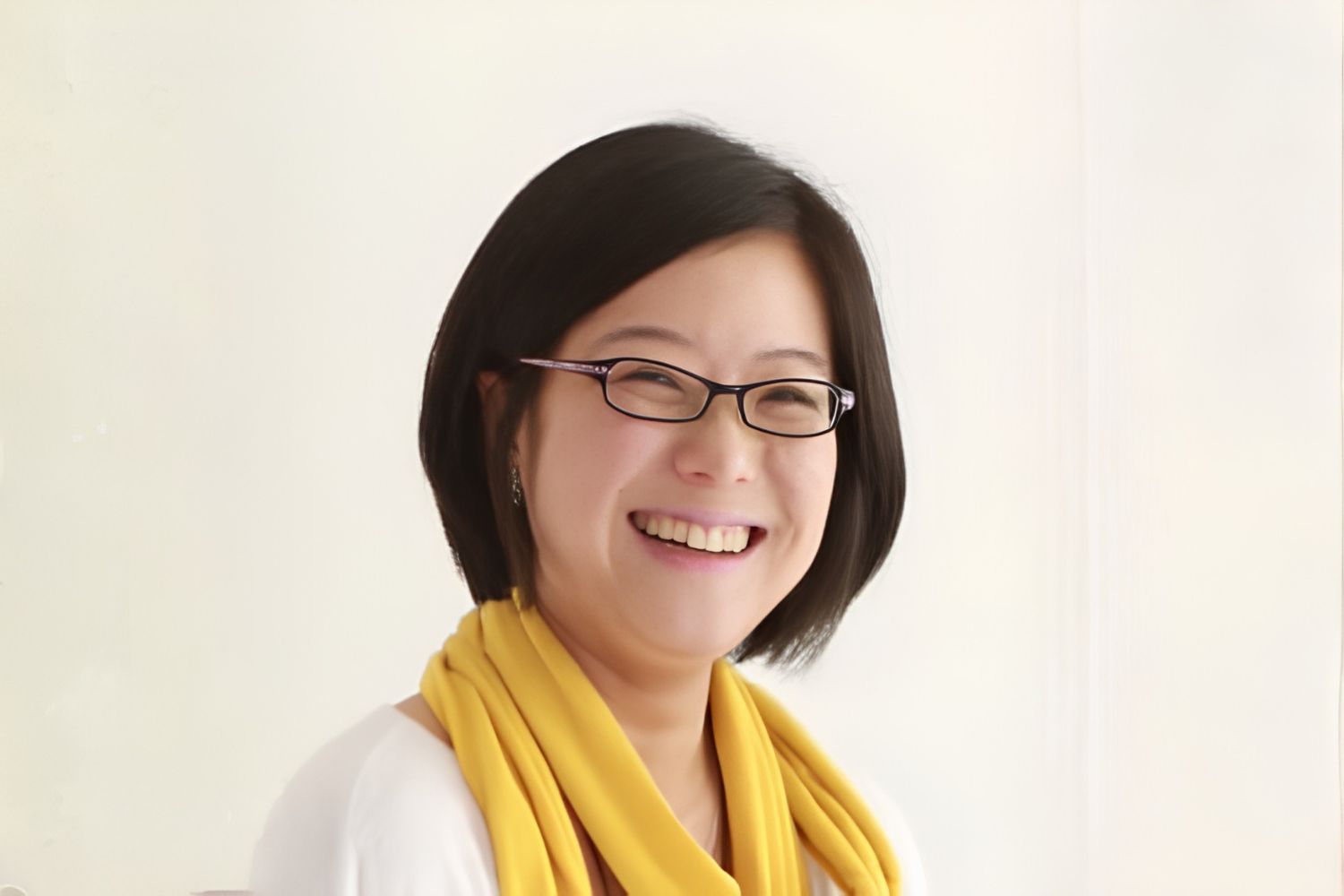
Guild名鑑 No.213 ウェルビーイング推進室 増田 恭子さん
コミュニティを演出しよう
ウェルビーイング推進室 増田恭子さんが取り組む人生と社会に貢献する仕事づくり
(The English version follows the Japanese text.)
港区を起点にいろんなところで働く・暮らす、楽しい時間を創りたい人たちによるコミュニティCreative Guild。このギルド名鑑ではそんなCreative Guildでつながったユニークな方々をご紹介しています。今回ご紹介するのは、有志による越境型コミュニティ「ウェルビーイング推進室」をリードする増田恭子さん。対話を軸に、一人ひとりが豊かに自分の人生を育みながら、前向きに社会と関われる仕事づくりに、“コミュニティを演出する”というアプローチで取り組んでいます。
増田さんは、大手IT系企業でエンジニアとしてキャリアを重ねてきました。一方でキャリアそのものにも関心を持ち、とくにウェルビーイング=社会的・身体的・精神的な健康を築いていく活動に、会社の枠を超えて取り組んできました。2024年には、同じくウェルビーイングに関心を持つ仲間とつながり、有志による越境型コミュニティ「ウェルビーイング推進室」を立ち上げ。現在は800名を超える社内外のつながりで、ウェルビーイングを実現するひと・組織・社会の在り方を探求し続けています。
増田さんが大事にしている価値観をワンワードで捉えるなら、「承認」です。それは、ただ相手を褒めることではありません。一人ひとりが、自分の人生を大切にしていいと感じられること。押し殺してきた思いや可能性に気づき、「自分にもやってみたいことがある」と言葉にできること。そして、その一歩を仲間が受け止め、支え合えることです。だからこそ増田さんは、対話を通じてその土壌をつくり、人生を育てながら社会に貢献する機会を、日々の仕事の中から築こうと邁進しているのです。
ウェルビーイングは、現代社会において最重要テーマの一つです。誰もが、どんな状況にあっても、真に豊かに自分の人生を育むこと。その大切さを否定することは、誰にもできません。一方で私たちの社会は、これまで大量生産・大量消費型の経済に支えられて発展してきました。その仕組みは私たちの生活を豊かにしてきた一方で、少数派に我慢を強いる構造にもなり得ます。さらに、ときにはウェルビーイングのような前向きな変化に対しても、意図せず抵抗力として働いてしまう。だからこそ私たちは、この複雑な現実を受け入れたうえで、したたかに、賢く、ふるまうことが求められているのです。
だからこそ、増田さんが取り組む「コミュニティを演出する」というアプローチには、大きな意味があります。組織の仕組みを変える前に、まず想いのある人同士でつながり、動ける状態をつくる。そして周囲の人たちや組織が、自然と“のれる”状態を整えていく。さらに、単体の組織による局所的な対応ではなく、越境的な面的対応として、そのアクションを広げる。過去も含めて承認し、前を向くエネルギーに変えていく増田さんのこのアプローチ。ぜひみんなで共有していきたいですね。なぜならその先には、ウェルビーイングな未来が広がっているのですから。
Let’s Orchestrate Community
How Kyoko Masuda of the Well-being Promotion Office Is Creating Work
That Contributes to Life and Society
Creative Guild is a community of people who live and work in various places, starting from Minato City, and who want to create joyful moments in their everyday lives. In this Guild Directory, we introduce unique individuals connected through Creative Guild. This time, we feature Kyoko Masuda, who leads the Well-being Promotion Office, a voluntary cross-boundary community. Through dialogue, she is working to create ways of working that allow each person to nurture a rich and fulfilling life while engaging positively with society—using an approach she describes as “orchestrating community.”
Masuda has built her career as an engineer at a major IT company. At the same time, she has long been interested in the idea of career itself, and has been involved beyond the boundaries of her company in activities related to well-being: the cultivation of social, physical, and mental health. In 2024, she connected with others who shared an interest in well-being and launched the voluntary cross-boundary community known as the Well-being Promotion Office. Today, through a network of more than 800 people inside and outside the organization, she continues to explore what people, organizations, and society can look like when well-being is truly realized.
If we were to capture the value Masuda holds most dear in one word, it would be “acknowledgment.” This does not simply mean praising someone. It means helping each person feel that it is okay to value their own life. It means noticing the thoughts and possibilities they may have long kept inside, and being able to say, “There is something I want to try, too.” And it means having that first step received and supported by others. That is why Masuda is committed to creating the soil for this through dialogue, and to building opportunities within everyday work where people can nurture their own lives while contributing to society.
Well-being is one of the most important themes in contemporary society. No one can deny the importance of every person, in any situation, being able to truly and richly cultivate their own life. At the same time, our society has developed on the foundation of a mass-production and mass-consumption economy. While that system has enriched our lives, it can also become a structure that asks minorities to endure and conform. At times, it can even function, unintentionally, as a force of resistance against positive changes such as well-being. That is why we are called to accept this complex reality and move forward with both resilience and wisdom.
This is precisely why Masuda’s approach of “orchestrating community” carries such significance. Before changing organizational systems, she first connects people who have genuine intentions and helps them become ready to act. Then she creates conditions where the people and organizations around them can naturally join in. From there, she expands those actions not as isolated responses within a single organization, but as cross-boundary, networked movements. Masuda’s approach acknowledges even the past, transforming it into energy for moving forward. It is something we would love to share widely—because beyond it, a more well-being-oriented future is waiting.

この記事へのコメントはありません。