
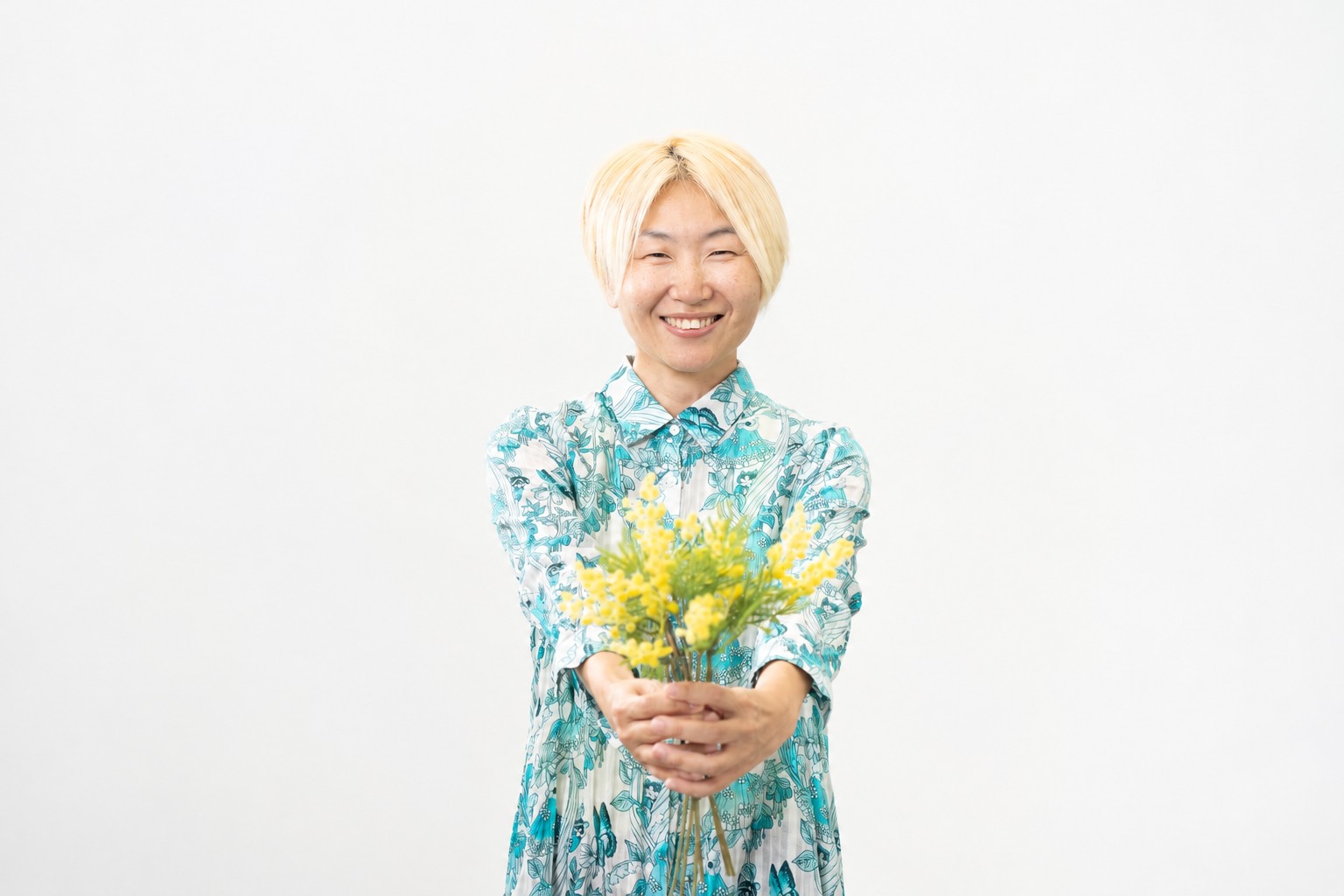
ギルド名鑑 No.235 女性のウェルビーイングERG 喜納真里子さん
心地よい“いばしょ”と、選べる未来を、だれにでも。
女性のウェルビーイングERGを運営する喜納 真里子さんが届ける“やわらかな”関係性
(The English version follows the Japanese text.)
港区を起点にいろんなところで働く・暮らす、楽しい時間を創りたい人たちによるコミュニティCreative Guild。このギルド名鑑では、そんなCreative Guildでつながったユニークな方々をご紹介しています。今回は、女性のウェルビーイングERGを共同運営する喜納 真里子さん。「ここにいていい」「私一人じゃなかった」。そんな実感を重ねながら、自分に合う生き方や働き方を選べるやわらかな関係性から、組織やジェンダーの壁を超えた、一人ひとりにとっての“いばしょ”を育んでいます。
日本の大手企業で、システムエンジニアからマーケティングへと仕事を広げてきた喜納さん。40歳を迎え、会社の中だけで描く未来に違和感を覚え、「楽しそうな大人に、自分がなればいい」と考えるように。女性特有の健康課題や、それに関わる働き方・暮らしの悩みに取り組む活動は、会社公認のERG(従業員による自主的なコミュニティ)へと発展しました。共同運営者として、女性のウェルビーイングを起点に、多様な経験から自分に使えそうな「ロールパーツ」を持ち帰れる機会をつくっています。また、副業にも積極的に挑戦し、市民ライターや子育て支援、空き家再生コミュニティにも参加。自らも学び、試しながら、自分に合う活動を探しています。
喜納さんが大切にしているのは、一人ひとりが心地よくいられる“いばしょ”と、それを支えるやわらかな関係性です。所属や年齢、肩書きを離れ、一人の人としてつながる。話すことも、これから進む道も、自分で選べる。そんな関わりを言葉にするだけでなく、まず自分でも実践し、試してみることを大切にしています。さまざまな垣根を越え、フラットに出会える場へ自ら飛び込む。自分にとっての心地よさを探りながら、相手にとっての心地よさにも目を向け、対話や新しい挑戦を楽しむ。そんなスタンスも、喜納さんの魅力です。
人を属性や役割でひとくくりにすると、一人ひとりが何に困り、どうありたいのかが見えにくくなります。多様性や活躍といった言葉が掲げられても、例えば女性管理職の比率など、数字を達成すること自体が目的になれば、当事者が望む働き方や関わり方は置き去りになりかねません。本来は選択肢を広げるための施策が、新たな「こうあるべき」を生み、かえっていばしょを狭めてしまうこともある。人のための取り組みが、生きづらさや関わりづらさを増やしてはいないか。抽象的な理想や指標だけで判断せず、目の前の人の実感から、安心できる関わり方ややわらかな関係性をどう育んでいくのか。私たちも、改めて考えてみる必要があるのかもしれません。
私たちに必要なのは、「こうあるべき」よりも「どうありたいか」を自分の内面に問いかけ、周りと分かち合い、互いの思いを尊重しながら動けることなのかもしれません。喜納さんのように、自らさまざまな経験に飛び込み、自分を知り、人とのつながりを広げていく。小さな出来事にも楽しさを見つけ、相手への思いや感謝を忘れない。そんな姿勢の積み重ねが、一人ひとりが心地よくいられる未来につながっていくのでしょう。私たちもその姿に学び、身近なところから試しながら、やわらかい関係性と、自分も相手も大切にできる“いばしょ”を、ともに育んでいきたいですね。
※「やわらかい」「いばしょ」は、読みやすさとやわらかい印象を大切にしたいという喜納さんの思いから、ひらがなで表記しています。
A comfortable place to belong, and a future of your own choosing, for everyone.
The open, flexible relationships nurtured by Mariko Kina, co-organizer of a women’s well-being ERG
Creative Guild is a community rooted in Tokyo’s Minato City, bringing together people who work and live in many places and want to create enjoyable moments together. Our Guild Directory introduces the unique people we meet through these connections. This time, we meet Mariko Kina, co-organizer of an employee resource group focused on women’s well-being.Through experiences of feeling “I belong here” and “I’m not alone,” she nurtures open, flexible relationships in which people can choose ways of living and working that suit them. Her work cultivates an ibasho, a place to feel at home, for each person, across organizational and gender boundaries.
At a major Japanese company, Kina has expanded her career from systems engineering into marketing. When she turned 40, she felt uneasy about a future defined solely by life within the company and began to think, “I can become the kind of adult who looks like she’s enjoying life.” Activities addressing women’s health concerns and related questions about work and everyday life developed into a company-recognized ERG, a voluntary community led by employees. As a co-organizer, she creates opportunities for people to draw on diverse experiences and take home “role parts”: elements they might use in their own lives. She also actively explores side work and participates in citizen journalism, parenting support, and a community involved in bringing vacant homes back into use.Learning and experimenting herself, she continues to look for activities that fit her.
Kina values an ibasho where each person can feel at ease, supported by open, flexible relationships. People connect as individuals, beyond their affiliations, ages, and titles.They can choose what to share and which path to take.She values putting this approach into practice and trying things herself, as well as expressing it in words. She crosses different boundaries and steps into settings where people can meet on equal terms. As she explores what feels comfortable for her, she also considers what feels comfortable for others, enjoying conversations and new challenges. This attitude is part of what makes her so engaging.
When we group people together by their attributes or roles, it becomes harder to see what each person is struggling with and how they want to live. Even when diversity and participation are stated aims, if achieving a number, such as the proportion of women in management, becomes an end in itself, the ways people want to work and participate may be left behind. Measures intended to broaden choices can create new expectations about how people “should” be, potentially narrowing their places to belong. Could initiatives meant to help people be making life or participation more difficult? Beyond abstract ideals and indicators, how can we nurture reassuring ways of relating and relationships that leave room for each person, starting with the lived experiences of those in front of us? Perhaps this is something we, too, need to consider afresh.
Perhaps what we need is to ask ourselves how we want to be, rather than how we “should” be, share our thoughts with those around us, and act with respect for one another’s wishes. Like Kina, we can step into varied experiences, learn about ourselves, and broaden our connections with others. We can find something enjoyable in small everyday moments and remember to show consideration and gratitude. These accumulated attitudes may lead toward a future in which each person can feel at ease. We, too, hope to learn from her example and try things close to home, nurturing together the open, flexible relationships and ibasho in which we can care for ourselves and one another.
Note: The Japanese words yawarakai (soft or gentle) and ibasho (a place to belong) are written in hiragana, reflecting Kina’s wish for wording that is easy to read and has a gentle feel.
Further reading WORK MILL (February 27, 2026, in Japanese)


この記事へのコメントはありません。