
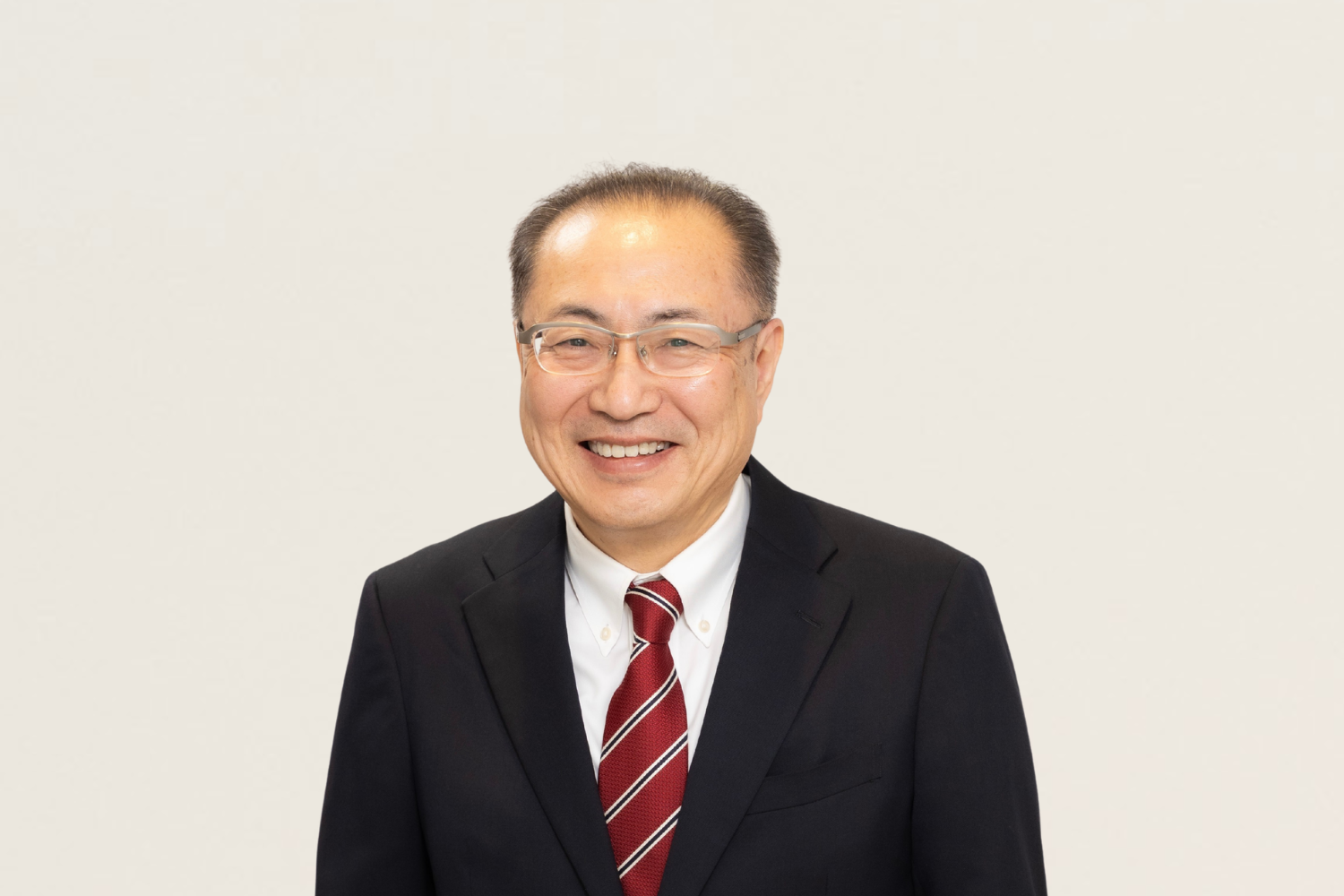
Guild名鑑 No.194 マクウェルエンパワー 代表取締役 牧 泰嗣さん
”ひと”の可能性を“信じる”経営へ
マクウェルエンパワー 代表取締役 牧 泰嗣さんが伝える”ほめる”力
(The English version follows the Japanese text.)
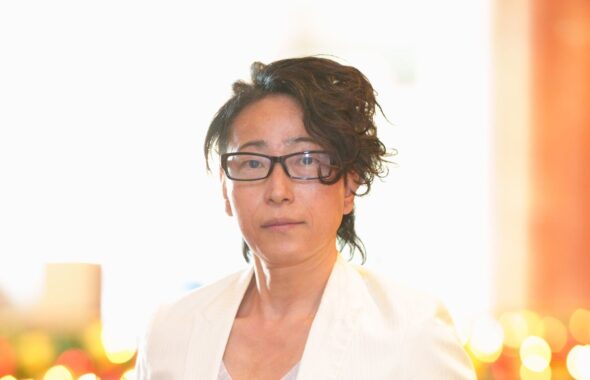
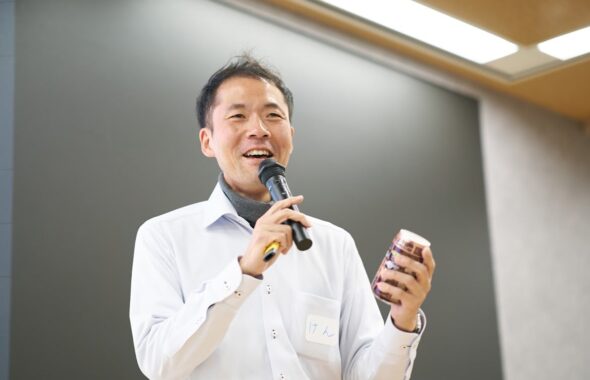
港区を起点にいろんなところで働く・暮らす、楽しい時間を創りたい人たちによるコミュニティCreative Guild。このギルド名鑑ではそんなCreative Guildでつながったユニークな方々をご紹介しています。今回ご紹介するのは、“ひと”の可能性を信じる経営を軸に、組織と人の在り方を変革し続けているマクウェルエンパワー代表取締役の牧 泰嗣さん。独自の「ほめほめワーク」を起点に、“信じる”ことから関係性を育み、組織を変え、いきいきと働ける社会の実現に挑んでいます。
牧さんは、衣料品チェーンで販売員から店長、エリアマネージャー、バイヤーまでを経験し、現場からマネジメントまで幅広い実務を担ってきました。その後は広告代理店でマーケティングの実践経験を積み、専門学校や大学では講師として教育にも携わってきました。こうした多様なキャリアを経て、株式会社マクウェルエンパワーを創業。とくに成果の差が人と組織の状態に起因することに着目し、ポジティブマインドと文化を醸成する「ほめほめワーク」をフラッグとして、中小企業の事業成長を包括的に支援しています。なお、港区立産業振興センター主催の実践型リーダー育成講座2025年下期の修了生でもあります。
そんな牧さんが大切にしているのは、一言でいえば“信じる”ことです。それは、人は本来それぞれに価値と力を持っており、丁寧に向き合い、適切な関係性の中に置かれることで、その可能性は自然と引き出されていくという考えです。また、単に前向きであることを良しとするのではなく、現実を冷静に見つめたうえで可能性へと転換していく姿勢も重視しています。信じて任せ、認め合う関係性の中で、人と組織がともに成長していくことこそが、持続的な価値創出につながると捉えています。
現代社会は競争型資本主義によって形づくられてきました。その恩恵は少なからず、私たちの日常を支えています。一方で競争に気を取られ、一人ひとりの“ひと”が持つ可能性に向き合うことを忘れていないでしょうか。また、共創を前提とする関係性においても、相手に対して懐疑的になりすぎてはいないでしょうか。そうした環境は挑戦にブレーキをかけてしまいます。事実、自己肯定感の低さや組織と従業員のエンゲージメントの低さ、失敗への恐怖心=挑戦への消極性は、大きな課題となっています。
だからこそ現代社会を生きる私たちは、自分自身の在り方と、周囲との関係性の在り方を見つめ直すことが必要です。牧さんの取り組み、とくに「ほめほめワーク」は、そのためのハードルの低いきっかけとなる手法です。そこからいかに“信じる力”を自分の中で育み、周囲と分かち合えるか。それは単なる関係性の改善にとどまらず、お互いの強みを活かしあうチームとしての関係性へと発展していきます。こうした積み重ねが、新しい未来を“楽しい”から動かしていくのですね。
Toward Management That Believes in Human Potential
The Power of Appreciation Shared by Yasutsugu Maki, CEO of Maxwell Empower
Creative Guild is a community based in Minato City, bringing together people who want to create enjoyable and meaningful moments in how they live and work. In this Guild Directory, we introduce unique individuals connected through Creative Guild. This time, we feature Yasutsugu Maki, CEO of Maxwell Empower, who continues to transform the way organizations and people work by centering his philosophy on believing in human potential. Through his unique “Home-Home Workshop,” he fosters trust-based relationships that reshape organizations and pave the way toward a more vibrant and fulfilling working society.
Maki began his career in the apparel industry, working his way up from sales associate to store manager, area manager, and buyer, gaining hands-on experience across both frontline operations and management. He later moved into an advertising agency, where he developed practical marketing expertise, and also served as an instructor at vocational schools and universities. Drawing on this diverse background, he founded Maxwell Empower. Through his work, he recognized that differences in business performance often stem from the condition of people and organizations. Today, he provides comprehensive support for small and medium-sized enterprises, starting with his “Home-Home Workshop,” which cultivates a positive mindset and organizational culture. He is also a graduate of the Practical Leadership Development Program (second half of 2025) hosted by the Minato City Industrial Promotion Center.
At the core of Maki’s philosophy is a simple yet powerful idea: to believe in people. He sees every individual as inherently capable, possessing unique value and strength. When people are treated with care and placed in the right relational environment, their potential naturally emerges. Importantly, he does not advocate blind optimism. Instead, he emphasizes the ability to face reality with a clear, critical perspective and then transform it into possibility. By trusting, empowering, and recognizing one another, individuals and organizations can grow together—and it is this process that leads to sustainable value creation.
Modern society has largely been shaped by competitive capitalism. While it has undoubtedly supported our daily lives, it has also led us to focus so heavily on competition that we may be losing sight of the potential within each individual. Even in environments that emphasize collaboration, are we becoming overly skeptical of one another? Such conditions can inhibit people from taking on new challenges. In fact, low self-esteem, weak employee engagement, and fear of failure—resulting in hesitation to act—have become significant issues.
That is precisely why, in today’s world, we must revisit how we see ourselves and how we relate to others. Maki’s approach—especially his “Home-Home Workshop”—offers an accessible entry point for doing just that. From there, the question becomes how we can cultivate the ability to believe—within ourselves and with those around us. This goes beyond improving relationships; it evolves into team dynamics where people leverage each other’s strengths. Through these small but meaningful steps, we begin to move toward a future that starts with joy.

この記事へのコメントはありません。