
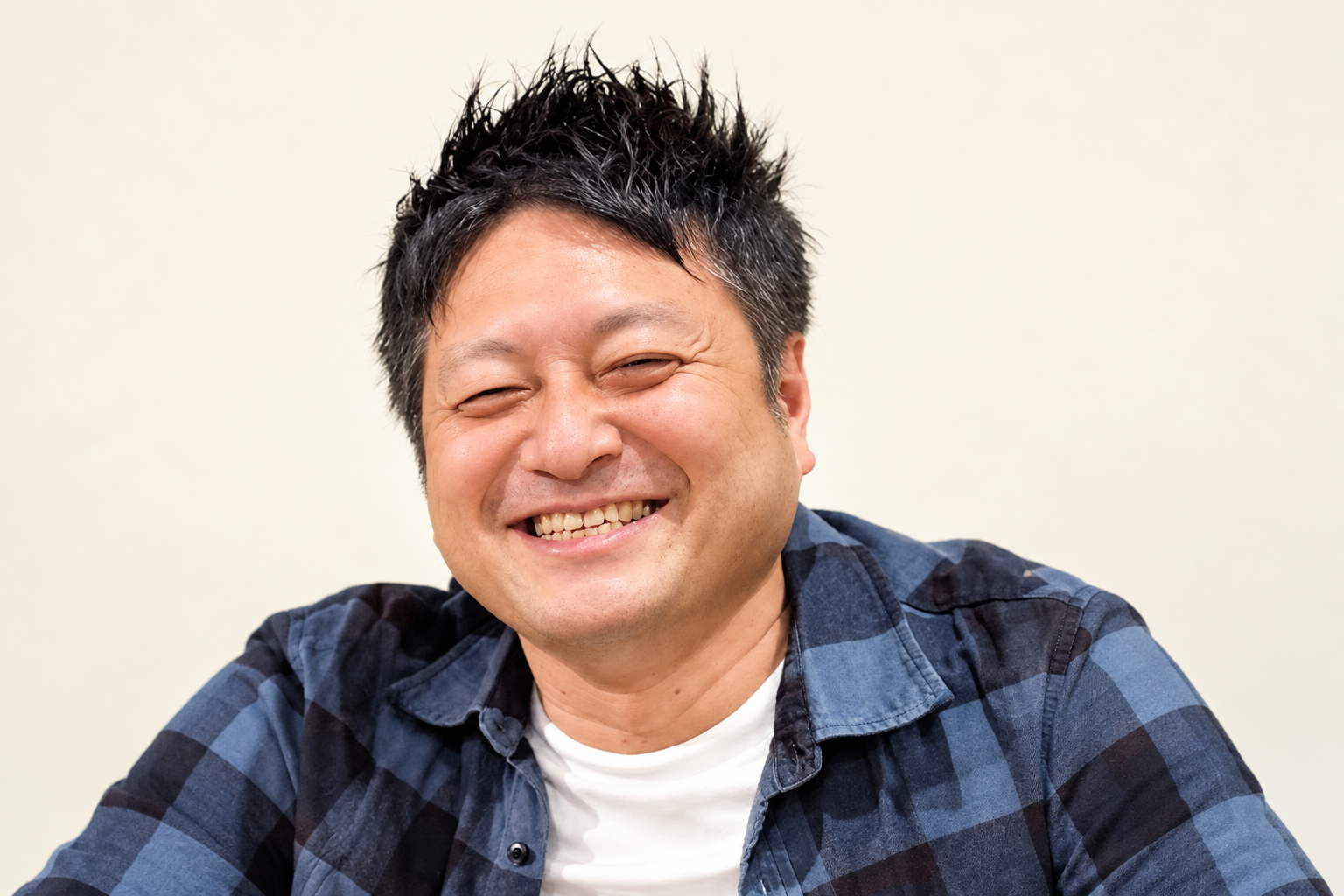
ギルド名鑑 No.226 まんせきBar 村上修司さん
自発の芽を育むには、まず土壌から。
PACな場から“オモシロい”を創りだす、「まんせきBar」の村上 修司さん
(The English version follows the Japanese text.)
港区を起点にいろんなところで働く・暮らす、楽しい時間を創りたい人たちによるコミュニティCreative Guild。このギルド名鑑ではそんなCreative Guildでつながったユニークな方々をご紹介しています。今回ご紹介するのは、対話と交流をカジュアルに楽しむ「まんせきBar」の運営メンバーの一人、村上 修司さん。一人ひとりの自発の芽を育む土壌をつくり、予想もしなかった“オモシロい”との出会いを今日も楽しんでいます。
村上さんは新卒でトステムに入社し、トステム・LIXILに23年間在籍。経理部門からキャリアを始め、その中で立ち上げたナレッジマネジメントの活動は、最終的に約5,000人が関わる全社規模の取り組みへと発展しました。2018年には、社外の多様な人をつなぐコミュニティ「SECILALA(セキララ)」を立ち上げ。近年は、ふらっと立ち寄れて日常にちょっとした「プラスα」が見つかる場「まんせきBar」を毎週月曜日に運営しています。また、結婚相談所での取り組みも展開するなど、分野を問わず、立場や肩書きを越えて人と人が自然につながり、そこから“オモシロい”ことが生まれていく場を育て続けています。
そんな村上さんが大事にしていることは、“自発の芽”を育むこと。そして、その芽が生まれる土壌を耕し続けることです。その根底にあるのは「人は変えられない」という考え方。そのための考え方として、村上さんはPACフレームを提唱しています。Pは Place(空間)、Aは Atmosphere(空気)、Cは Chance(きっかけ)。PACは、この3つの観点から環境の状態を捉え、働きかけるための実践フレームで、順番に実行する手順ではありません。そこで本人の内側から現れる s=sprout(自発の芽)が各所から生まれ続ける状態を、村上さんはPACsと呼んでいます。参加するかどうか、動き出すかどうか、そしてどんな芽が出るかは本人次第。人を思いどおりに変えようとするのではなく、空間・空気・きっかけに働きかけ、芽が出たら応援する。村上さんは、そんな場づくりを何より大切にしています。
一方で、社会や組織では、売上や件数、KPIといった目に見える数字ばかりを追い、その数字を生み出している人の感情や関係性、場の空気が置き去りになりがちです。計画や制度は整っていても、人が本音を出せず、互いの違いを受け止められず、関係性という土台が弱ければ、自発的な挑戦や新しい価値は生まれにくい。組織図や業務プロセスだけを見るのではなく、その間にある人と人とのつながりをどう育てるのか。 そこから見直す必要があるのではないでしょうか。
村上さんが示してくれているのは、頭で考え切ってから動くのではなく、まず一歩踏み出し、つながった人に助けてもらいながら、一緒に試行錯誤していくことの大切さです。だからこそ大切なのは、人を直接変えようとすることではなく、一人ひとりが自然と動き出していける“自発の芽”を育てること。そして、その芽が育つための関係性という土壌を耕していくことです。それは特別な研修や制度がなくても、「まんせきBar」のような日常の延長にある自然な場から始められます。一人ひとりの“やってみたい”がつながり、新しい“オモシロい”が次々と生まれていく。そんな未来を、これからも広げていきたいですね。
関連リンク
To Nurture the Sprouts of Initiative, Start with the Soil
Creating “Something Interesting” through a PAC-Driven Space — Shuji Murakami of Manseki Bar
Creative Guild is a community that connects people who work and live in and around Minato City—and beyond—who want to create enjoyable moments together. In this Guild Directory, we introduce unique people we have met through the Creative Guild network. This time, we are introducing Shuji Murakami, one of the organizers of Manseki Bar, a casual space for enjoying dialogue and interaction. By creating the kind of soil in which each person’s own initiative can take root, he continues to enjoy the unexpected encounters and “interesting things” that emerge from the space.
Murakami spent 23 years at TOSTEM and LIXIL after joining TOSTEM as a new graduate. He began his career in accounting, where he launched a knowledge management initiative that eventually grew into a company-wide activity involving around 5,000 people. In 2018, he launched SECILALA, a community that connects people from diverse backgrounds outside their organizations. More recently, he has been running Manseki Bar every Monday—a place where people can simply drop by and perhaps discover a little something extra to enrich their everyday lives. He is also involved in running a marriage consultation service. Across these different fields, he continues to cultivate spaces where people can connect naturally beyond titles and positions, and where new and unexpected “interesting things” can emerge.
What Murakami values most is nurturing the “sprouts of initiative”—and continually cultivating the soil in which those sprouts can emerge. At the heart of this is a simple idea: “People cannot be changed by others.” To describe how he works with the environment instead, he proposes the PAC framework. P stands for Place (space), A for Atmosphere, and C for Chance. PAC is a practical framework for understanding the condition of an environment and working with it through these three perspectives; it is not a sequence of steps. In that environment, s = sprout refers to a voluntary sprout of initiative that emerges from within the person. Murakami uses PACs to describe a state in which such sprouts continue to emerge in different places. Whether someone participates, begins to act, or what kind of sprout appears is up to that person. Rather than trying to change people according to someone else’s intentions, he works on space, atmosphere, and chance, and supports the sprouts when they appear. This is the kind of place-making he values most.
At the same time, many organizations and parts of society tend to focus heavily on visible numbers such as sales, activity counts, and KPIs, while overlooking the emotions, relationships, and atmosphere that actually underpin those results. Even when plans and systems are well designed, people are unlikely to take initiative or create something new if they cannot speak honestly, accept one another’s differences, or build strong relationships. Instead of looking only at organizational charts and business processes, perhaps we also need to ask: How do we cultivate the relationships between the people within them?
Murakami’s practice shows us the importance of taking the first step before trying to think everything through, connecting with others, receiving help, and learning together through trial and error. What matters, then, is not trying to change people directly. It is nurturing the “sprouts of initiative” that allow each person to begin moving forward naturally—and cultivating the soil of relationships in which those sprouts can grow. This does not necessarily require a special training program or formal system. It can begin with something as natural and everyday as Manseki Bar. When one person’s “I’d like to try this” connects with another’s, new and unexpected “interesting things” begin to emerge. It would be wonderful to keep creating more places like that.



この記事へのコメントはありません。