
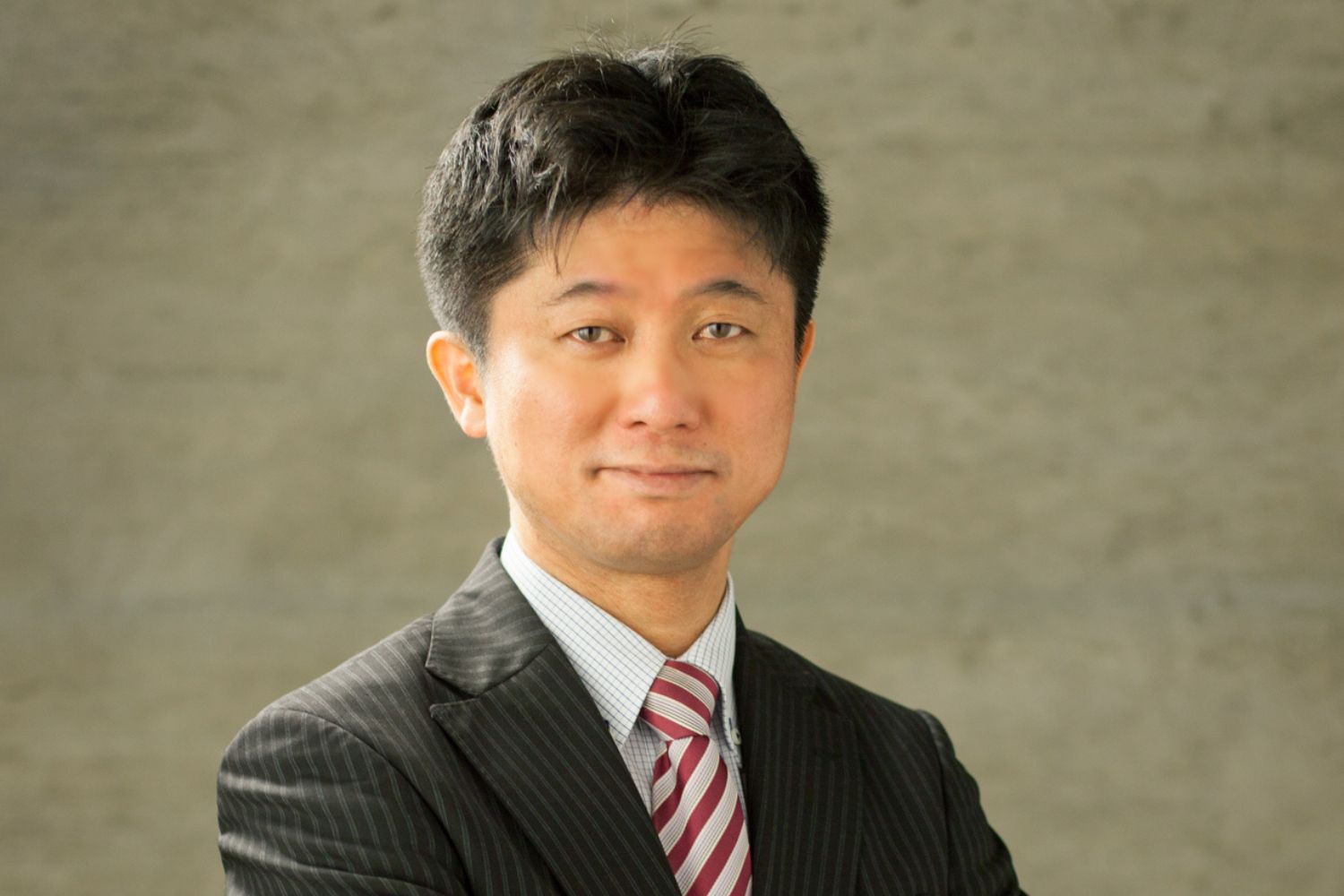
Guild名鑑 No.173 健全な専門性をつなぐエージェント 篠原 毅さん
”想い”のベクトルをそろえよう!健全な専門性をつなぐエージェント 篠原 毅さん の仕組みづくり
(The English version follows the Japanese text.)
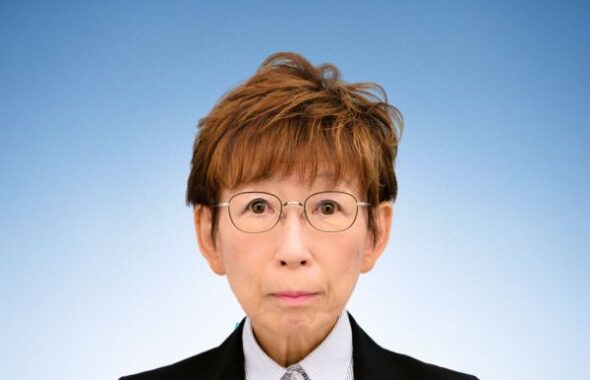
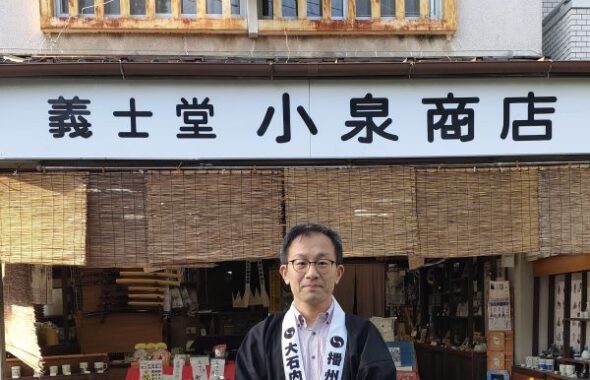
港区を起点にいろんなところで働く・暮らす、楽しい時間を創りたい人たちによるコミュニティCreative Guild。このギルド名鑑では、そんなCreative Guildでつながったユニークな方々をご紹介しています。今回ご紹介するのは北九州の一般社団法人 まちはチームだ でも活躍する、株式会社クロステック 代表取締役 の 篠原 毅さんです。一人ひとりの“想い”のベクトルを丁寧にそろえながら、専門性を提供できる人と、それを本当に必要とする人を健全につなぐ仕組みづくりを実践しています。す。
【Guild名鑑ファイルNo.173】 篠原 毅/株式会社クロステック 代表取締役 |  |
篠原さんは、工場備品メーカーや商社での営業経験を皮切りに、家具製造業の経営に携わり、営業・製造・総務を横断しながら事業改革や新規事業の立ち上げを実践してきました。2014年に独立後、製造業を中心としたコンサルティングを行い、2019年には株式会社クロステックを設立。現在は、製造業や地域事業の現場に寄り添いながら、事業計画の言語化、組織や役割の整理、専門家同士をつなぐエージェントとして、その仕組みづくりに注力しています。一般社団法人 まちはチームだ でも、指定管理事業である小倉城の取り組みを中心に、労務をはじめとする運営基盤の整備に大きく貢献しています。
そんな篠原さんが大切にしているのは、一人ひとりの“想い”を起点にした関係性です。誰かの考えや願いを置き去りにせず、その“想い”を現実の行動や仕組みとしてカタチにしていくこと。そして、関わる人それぞれが“主人公”として立ち上がれるよう、つながるための機会や場を丁寧に整えていきます。だからこそ、その支援のあり方も段階的。最初は自らリードし「やってみせて・勇気づける」。次にパートナーとして「言葉で伝え・実践を支える」。そして最後は、自立していく人たちを「任せて・見守る」。なぜならその循環を重ねることで、一人ひとりの自律的で健全な成長につながるからです。
いま多くの現場で見られるのは、「自分で責任を取らなくても済む、そこそこの成果」が暗黙のニーズになっている状況です。安易な解決策や他者への無意識の依存が個人の成長を阻み、組織全体を過去の成功体験や、その延長線上にある未来へと縛り付けてしまいます。その結果、事業は目の前の対応や現状維持に追われ、長期的な投資や主体的な提案が後手に回り、次の可能性を逃してしまう。こうした状態では、ビジネスも組織も持続的には回りません。だからこそ、自分の手で課題にコミットし、試行錯誤していくマインドと、それを支える環境や関係性が、いま強く求められているのです。
だからこそ、まず一人ひとりの“想い”のベクトルをそろえることが必要なのです。安易な答えに走るのではなく、本当に向き合うべき課題は何か、その実現のためにどんな専門性や関係性が必要なのかを丁寧に見極めていく。そのプロセスを支える存在として、健全な専門性をつなぐエージェントの役割もますます重要になります。篠原さんの在り方はまさにそのロールモデル。Creative Guildをはじめとする多くの場でその姿勢から学びながら、新しい可能性を拓く“想い”のベクトルを、これからも大きく育てていきたいですね。
Let’s Align Our Intentions
Tsuyoshi Shinohara — Building Systems as an Agent Who Connects Healthy Expertise
Creative Guild is a community that began in Minato City, bringing together people who want to create joyful experiences through how they work and live, across different places and lifestyles. In this Guild Directory, we introduce unique individuals connected through Creative Guild. This time, we feature Tsuyoshi Shinohara, CEO of CrossTech and an active contributor to Machi wa Team-da in Kitakyushu . By carefully aligning each person’s intentions, he builds systems that connect those who can offer expertise with those who genuinely need it—creating healthy, sustainable relationships.
Shinohara began his career in sales at a factory equipment manufacturer and a trading company, before becoming involved in the management of a furniture manufacturing business. There, he worked across sales, production, and administration, leading business reform and launching new initiatives. After becoming independent in 2014, he focused on consulting primarily for manufacturing companies, and in 2019 founded CrossTech. Today, he works closely with manufacturing and regional projects, supporting the articulation of business plans, clarifying organizational roles, and acting as an agent who connects professionals through well-designed systems. Within Machi wa Team-da, he has also made significant contributions to strengthening operational foundations—particularly labor and organizational systems—through projects such as the designated management of Kokura Castle .
What Shinohara values most is building relationships that begin with each individual’s intentions. Rather than overlooking people’s thoughts or aspirations, he seeks to translate those intentions into concrete actions and systems. He also places great importance on creating opportunities and spaces where everyone involved can step forward as the “main character” of their own journey. His approach to support is therefore intentionally phased: first, he leads by example—showing how it is done and encouraging others. Next, he works as a partner, communicating clearly and supporting hands-on practice. Ultimately, he steps back to entrust and watch over those who have become independent. Through repeating this cycle, he believes people can achieve healthy, self-directed growth.
In many workplaces today, there is an unspoken demand for “good enough results” that do not require individuals to fully take responsibility. Unconscious dependence on others and the pursuit of easy solutions can hinder personal growth, while organizations become bound to past successes and futures that simply extend the status quo. As a result, businesses are consumed by short-term responses and maintenance, pushing long-term investment and proactive proposals aside—and missing new opportunities. In such conditions, neither organizations nor businesses can remain sustainable. What is needed now is a mindset of committing personally to challenges through trial and error, supported by the right environments and relationships.
That is why aligning each person’s intentions is so essential. Instead of rushing to easy answers, we must carefully identify the challenges that truly matter, and consider what kinds of expertise and relationships are needed to address them. Supporting this process, the role of an agent who connects healthy expertise is becoming increasingly important. Shinohara’s way of being is a clear role model for this approach. By learning from his practice across Creative Guild and other communities, we hope to continue nurturing and expanding vectors of intention that open up new possibilities—starting from “fun” and moving toward a better future.

この記事へのコメントはありません。