

おもビズ! Vol.5-6 目標は全くないです|それでも12年続けている理由
港区発! 面白ビジネス仕掛け人! ― 小野寺学さん 第6回
目標は全くないです|それでも12年続けている理由
(The English version follows the Japanese text.)
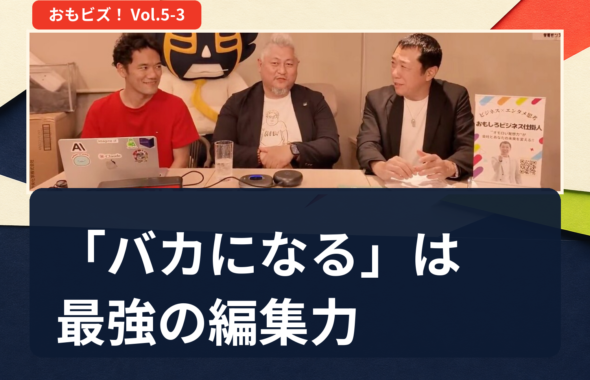
Creative Guildの仲間たちがお届けする「おもビズ!(おもしろビジネス仕掛け人)」では、さまざまな分野で活躍する“面白い人”や“面白いテーマ”を取り上げ、その人ならではの視点や対話から、これからの社会やビジネスのヒントを探っていきます。パーソナリティを務めるのは、人やビジネスの“面白さ”を独自の角度から引き出す幹てつやさん。そして、AIやデジタルを身近な学びとして届ける“AIパパ”ことザックさん(佐藤雄大さん)です。
今回もゲストは、虎ノ門を拠点にアート&デザイン、映像、イベント、まちのコトづくりに取り組むグー・チョキ・パートナーズ株式会社 代表取締役の小野寺学さん。シリーズ最終回となる第6回では、「これから何を仕掛けるのか」という問いから、地域で続くプロジェクトのつくり方、他者との距離感、そして小野寺さん自身の生き方へと対話が広がりました。
最初に登場するのは、虎ノ門の地域色「虎色(といろ)」です。新橋に地域を象徴する色があることをヒントに、ワークショップで虎ノ門に関わる人たちの意見を集め、10色を混ぜて生まれた深い緑色。多様な人が混ざり合う虎ノ門らしさを、誰もが手に取れるインクにしました。さらに新橋の醸造会社と協働し、味もワークショップで考える「虎色-toiro-BEER」へ展開。最終的にはアールグレイを使ったビールづくりへつながったといいます。
ここで印象的なのは、小野寺さんが完成形を先に決めていないことです。色を決める場に人を招き、そこで生まれた色を次の素材へ渡し、また別の人と味を考える。一つの企画を閉じて完成させるのではなく、地域の関係を次の実験へ受け渡していきます。続く理由は、壮大な目標を掲げたからというより、目の前に現れた問いに面白い答えを返し続けてきたからなのかもしれません。
番組内のAIは、小野寺さんから学ぶことを「少し怒られるかもしれない一歩を踏み出す勇気」とまとめます。多くの人は、失敗しないように、変に見られないようにと、動く前に止まってしまう。それに対して小野寺さんは、世の中の「なんでやねん」に気づいたら、まず試してみる。ずれることや批判されることがあっても、その一歩が場の空気や人の見方を変え、新しい動きを生みます。
一方で、何でも気にせず突き進めばよいという話ではありません。小野寺さんが語るのは、「関心度と寛容度のバランス」です。今の社会は他人への関心が高すぎる一方で、違いや失敗を受け止める寛容度が低くなっているのではないか。SNSで誰かの言動を追い、すぐに評価するより、自分のやるべきことに力を使い、他者にはもう少し寛容になる。そうすれば、場のぎすぎすした空気を和らげられると考えます。
この考え方は、グー・チョキ・パートナーズの働き方にも表れています。同社には一般的な意味での社員がおらず、独立したメンバーがプロジェクトごとにチームを組みます。互いの日常を細かく管理することはなくても、それぞれが生み出す仕事には敬意を払う。人を監視するのではなく、成果と関係に信頼を置く。関心を押しつけず、無関心にもならない距離感が、異なる個性を組み合わせる土台になっています。
これからの目標を尋ねられた小野寺さんは、「目標は全くない」と率直に答えます。しかし、それは立ち止まるという意味ではありません。12年続けてきた「カモ虎課長」を次の事業へ育てたいという思いもあり、明日誰かから課題を渡されたら、それに自分なりの答えを返す。未来を固定した計画へ閉じ込めるのではなく、出会いや依頼に応答しながら進む姿勢です。
経営では、明確な目標を持つことが重視されます。ただ、長く続く活動には、目標とは別の力も必要です。地域に居続けること、問いに答え続けること、違いを面白がること、そして仲間と生きている時間そのものを楽しむこと。小野寺さんが語る「太く生きる」という感覚は、成功を数字だけで測らない経営のあり方を示しています。ぜひ動画本編で、虎ノ門の色と味が生まれる過程、関心と寛容のバランス、そして目標がなくても動きが続く理由をご覧ください。
OMOBIZ! — Interesting Business Instigators from Minato
No Goals, Yet Twelve Years and Counting |
Manabu Onodera, Episode 6
“OMOBIZ! — Interesting Business Instigators from Minato,” brought to you by members of Creative Guild, introduces fascinating people and themes while exploring ideas for the future of society and business through lively dialogue. The program is hosted by Tetsuya Miki, who draws out the interesting side of people and business from his own distinctive angle, and Zack, known as “AI Papa,” who makes AI and digital technology approachable as tools for learning.
The guest once again is Manabu Onodera, Representative Director of Goo Choki Partners Inc., whose work in Toranomon spans art and design, video, events, and community projects. In Episode 6, the final chapter of the series, a question about what he wants to create next opens into a wider conversation about sustaining local projects, finding the right distance from other people, and choosing how to live.
The first example is Toiro, a color created to represent Toranomon. Inspired by the idea that neighboring Shinbashi has a color associated with its history, Onodera and local participants held a workshop and combined ten colors into a deep green. The result reflects the diversity of people who meet in Toranomon and turns that diversity into an ink anyone can use. The idea then moved into another medium: Toiro Beer, developed with a Shinbashi brewery through a second workshop. After considering a range of flavors, the project arrived at an Earl Grey beer.
What stands out is that Onodera did not define the final product in advance. People gathered to choose a color; that color became material for another experiment; and another group then shaped the flavor of the beer. Instead of closing one project as a finished answer, he passes the relationships created through it into the next experiment. The work may have endured not because it began with a grand goal, but because he kept offering interesting responses to the questions immediately in front of him.
During the program, AI summarizes one lesson from Onodera as the courage to take a step that might draw criticism. Many people stop before acting because they do not want to fail or look strange. Onodera, by contrast, notices something in society that makes him ask, “Why does it have to be this way?” and then tries an alternative. An attempt may miss the mark, and some people may object, but that first move can change the atmosphere, shift how others see a situation, and create new momentum.
This is not an argument for ignoring everyone and pushing ahead without restraint. Onodera speaks instead about balancing attention and tolerance. Society may pay too much attention to other people while showing too little tolerance for difference and failure. Rather than tracking and immediately judging every action on social media, he suggests investing more energy in one’s own work and extending more room to others. That shift can reduce the tension that makes groups and communities feel brittle.
The same principle appears in how Goo Choki Partners works. The company has no conventional employee structure; independent members form teams around particular projects. They do not monitor one another’s daily activities in detail, yet they respect the work each person produces. Trust rests on contribution and relationships rather than constant supervision. This distance—neither intrusive attention nor indifference—creates space for different personalities and skills to combine.
When asked about his goals for the future, Onodera answers plainly that he has none. Yet this does not mean standing still. He wants to develop Kamo Tora Kacho, the character he has sustained for twelve years, into new opportunities. More broadly, if someone brings him a problem tomorrow, he will try to offer an answer. His direction is not fixed by a distant plan; it emerges through encounters, requests, and the responsibility to respond creatively.
Management often places great value on clear targets. Long-running work, however, also depends on other strengths: remaining present in a place, continuing to answer real questions, finding interest in difference, and enjoying the time one is alive with family and companions. Onodera’s idea of living broadly and fully offers a view of success that cannot be measured by numbers alone. Watch the full episode to see how Toranomon’s color became a flavor, how attention can be balanced with tolerance, and why purposeful action can continue even without a fixed goal.




この記事へのコメントはありません。