
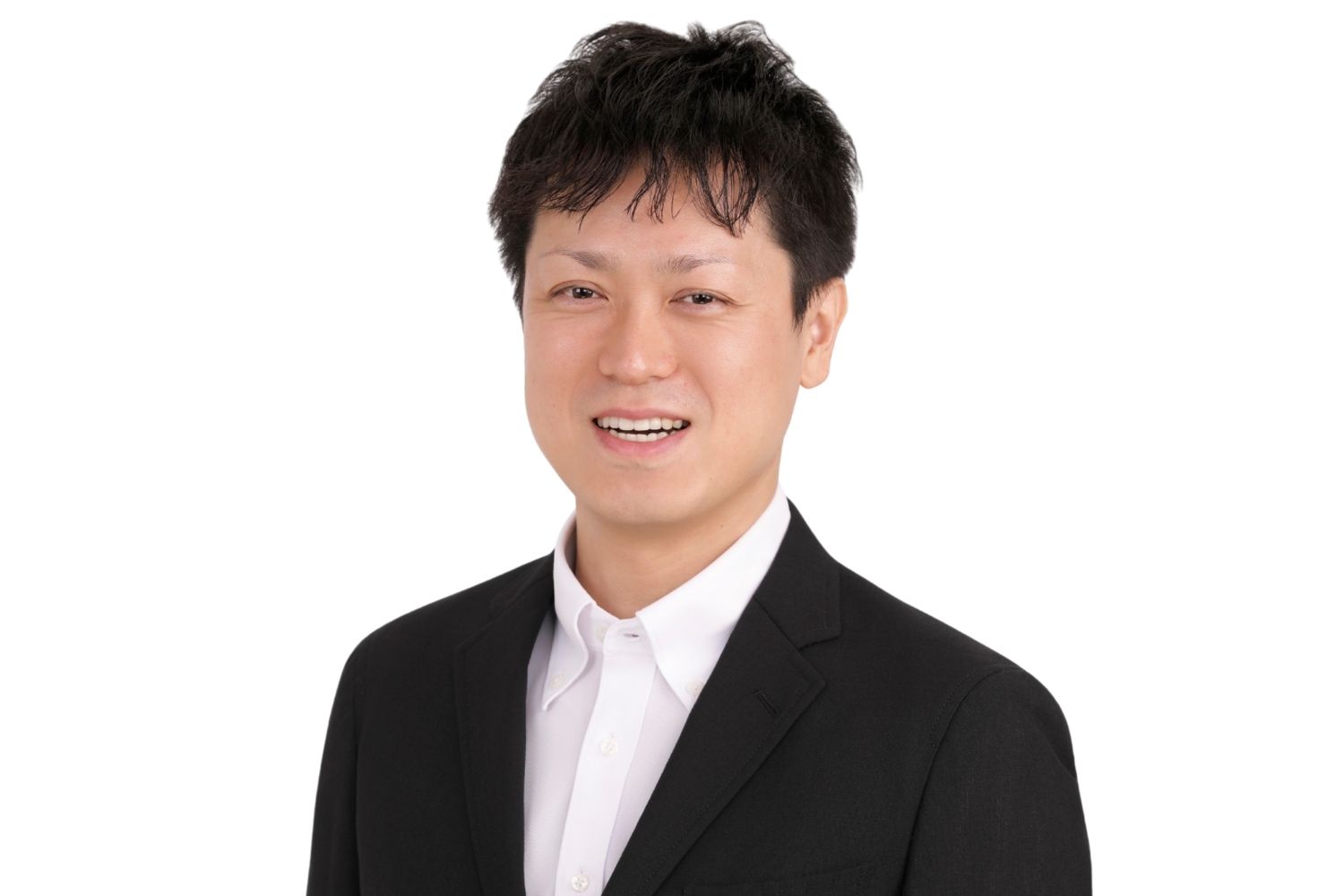
ギルド名鑑No.223 伊藤 昌明さんのレディネスを築く“理解”のデザイン
人を動かさず、人が動ける状態をつくる。
伊藤 昌明さんのレディネスを築く“理解”のデザイン
(The English version follows the Japanese text.)
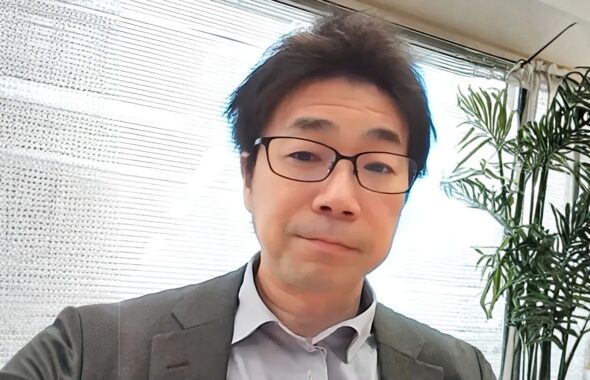
港区を起点にいろんなところで働く・暮らす、楽しい時間を創りたい人たちによるコミュニティCreative Guild。このギルド名鑑ではそんなCreative Guildでつながったユニークな方々をご紹介しています。今回ご紹介するのは、大手コンサルティング・IT企業でも活躍する伊藤 昌明さん。人を動かそうとするのではなく、人が自ら動ける状態をどうつくるか。コミュニティやPodcastでの対話・観察を通じ、直感的に動くための“理解”をデザインし、一人ひとりのレディネス=未来への準備を整える活動を続けています。
伊藤さんはシステムエンジニアとしてキャリアをスタートし、大規模システム開発などを経験。その後、実践と学びを広げながら、社内外で勉強会やコミュニティ活動を展開してきました。近年では、実務でAIを活用したソリューションに携わる一方、生成AIをテーマにした場を継続的に提供し、会社の枠を超えた大規模なコミュニティへと発展させています。さらに、そうした経験を活かし、Creative Guild Booksの『自己超越型リーダーシップ』や『ヨハクさん、いる?』の執筆にも参加。現在は、自身のコミュニティ活動から得た実践知をPodcast「創発のデザイナー てるのフィールドノート」で発信する新たな取り組みも始めています。
そんな伊藤さんが探究しているのは、ひとの“理解”のあり方です。人にはそれぞれ異なる経験や価値観があり、同じ出来事でも見え方は変わります。だからこそ、自分の見方を正解とせず、相手が何を見て、どう捉えているのかを理解し合うことが、インクルーシブな関係性を育む要になります。その理解が共有されれば、変化が訪れたときにも、自ら考え、直感的に一歩を踏み出せる。人を無理に動かすのではなく、いつでも動けるレディネス=未来への準備を整える。そのための“理解”をデザインすることが、伊藤さんの実践の軸になっています。
情報爆発といわれ、AIが急速に発展する昨今、ともすれば私たちは「自分で考えなくてもよい」と錯覚してしまうことがあります。しかし、ものごとは私たち自身が理解し、行動に結びつけなければ、価値を生み出しません。むしろ安易な解決策は問題をさらに複雑化させ、未来への変化や適応を妨げることすらあります。だからこそ今、自分たちがどのようにものごとを理解しているのか、その“理解の構造”そのものを捉え直すことが必要です。そこに、これからの時代を生きるための原点があるのかもしれません。
伊藤さんの取り組みは、今の時代だからこそ求められる、人間的な在り方とものごとへの関わり方の土台づくり。人を無理に動かすのではなく、対話や観察を通じて理解を深め、いつでも一歩を踏み出せるレディネスを整えていく。それはまさに、一人ひとりの中に余白を創っていくプロセスです。そして、その積み重ねは組織やコミュニティの創発性を高め、新しい関係性や価値を生み出す可能性につながります。だとするならば、一人ひとりが自分なりの“理解”を育てることで、“楽しい”から始まる未来づくりは、もっと加速していけそうですね。
Creating the Conditions for People to Move on Their Own
Masaaki Ito’s Design of “Understanding” to Build Readiness
Creative Guild is a community of people connected through Minato City who work and live in many different places and want to create more joyful moments in life. In this Guild Directory, we introduce some of the unique people connected through Creative Guild. This time, we are featuring Masaaki Ito, who has built his career at a major consulting and IT company. Rather than trying to make people move, he explores how to create the conditions in which people can move on their own. Through dialogue and observation in communities and on podcasts, he works to design the “understanding” that enables intuitive action and helps people build readiness—the preparedness to step into the future.
Ito began his career as a systems engineer, gaining experience in large-scale systems development. From there, he broadened his learning and practice by organizing study groups and community activities both inside and outside his company. In recent years, while working on AI-enabled solutions in his professional role, he has also continued creating spaces centered on generative AI, growing them into a large community that extends beyond organizational boundaries. Drawing on these experiences, he has also contributed as a co-author to Creative Guild Books titles including Self-Transcending Leadership and Yohaku-san, Are You There?. Today, he is taking on a new challenge: sharing the practical knowledge he has gained through community activities on his podcast, “Teru’s Field Notes: Designing Emergence”.
What Ito continues to explore is the very nature of human “understanding.” Each of us carries different experiences and values, which means the same event can be perceived in very different ways. That is why, instead of assuming that our own perspective is the correct one, learning to understand what others see and how they interpret the world becomes essential to building inclusive relationships. When those understandings are shared, people become better prepared to think for themselves and take intuitive action when change arrives. Rather than forcing people to act, Ito focuses on creating the readiness that allows them to move when the moment comes. Designing the “understanding” that makes this possible lies at the heart of his practice.
In an age of information overload and rapidly advancing AI, we may sometimes fall into the illusion that we no longer need to think for ourselves. Yet information creates no value unless we ourselves understand it and connect that understanding to action. Worse still, simplistic solutions can make already complex problems even harder to solve, pulling us further away from meaningful change and adaptation. This is why we need to reconsider not only what we understand, but the very structure through which we understand things in the first place. That may well be one of the most fundamental capabilities we need for the era ahead.
Ito’s work can be seen as an effort to build the foundations for a more human way of being and engaging with the world—something increasingly important in our time. Rather than pushing people to move, he deepens understanding through dialogue and observation, helping create the readiness to take a step whenever the moment is right. It is, in many ways, a process of creating space within each person. And as those spaces accumulate, they can strengthen the generative capacity of organizations and communities, opening possibilities for new relationships and new forms of value. If so, perhaps by nurturing our own ways of understanding, each of us can help accelerate a future that truly begins with fun.
この記事へのコメントはありません。