
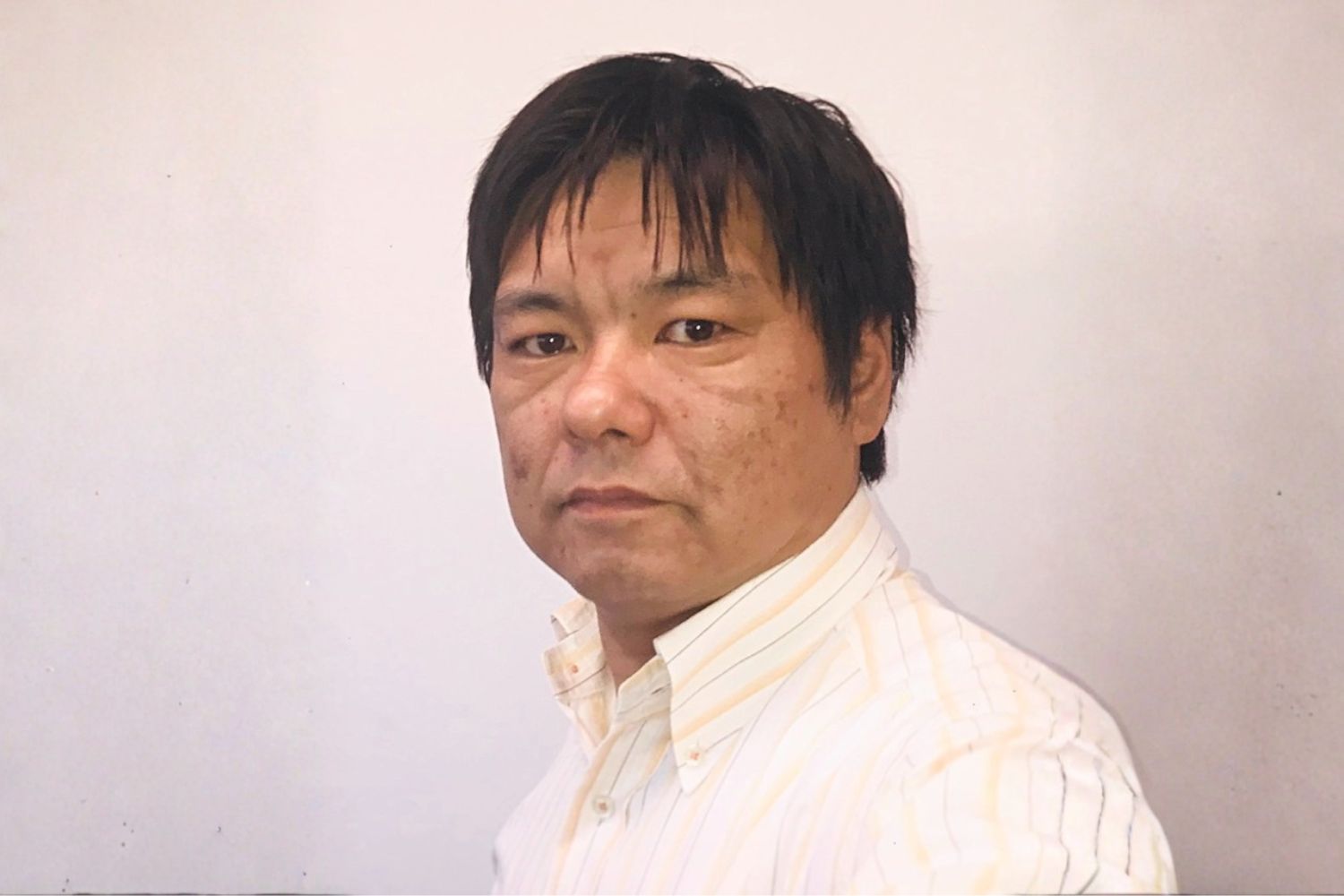
Guild名鑑 No.202 食品流通のプロ 北原 直さん
ホンモノが報われる流通をつくる
北原 直さんが挑む、農林水産の0→1リブランディング
(The English version follows the Japanese text.)
港区を起点にいろんなところで働く・暮らす、楽しい時間を創りたい人たちによるコミュニティCreative Guild。このギルド名鑑では、そんなCreative Guildでつながったユニークな方々をご紹介しています。今回ご紹介するのは、福岡県を拠点に食品流通分野で活躍する北原 直さん。Creative Guildの北九州パートナー 一般社団法人まちはチームだ の活動もサポートしながら、“ホンモノが報われる流通”をテーマに、農林水産品や地域資源のリブランディングを多方面で仕掛けています。
北原直さんは、食品流通・調達・品質管理の分野で長年実務経験を積み、ISO22000審査員やハラール認証関連など、食の安全と流通の専門性を磨いてきました。また、その調達の経験を活かしてカメラ卸の分野でも活躍。現在はCreative Guild北九州パートナー 一般社団法人まちはチームだ の活動にも関わり、小倉城のおもてなし拠点・しろテラスの商品調達や「ぬかだきdip」の商品開発にも携わっています。また、地域の生産者やテナント事業者とも連携しながら、農林水産品や地域資源を活用して既成概念にとらわれず、いったんゼロから考え直し“1”を生み出すリブランディングにも取り組んでいます。
そんな北原さんが大事にしている価値観は、一言でいえば “ホンモノ” であること。土地や文化、生産者の努力、地域に根差した営みまで含めて、時間をかけて磨かれてきた価値そのものを指しています。だからこそ、いかにその価値を届けるかという流通の仕組みに強く関心を持っています。そこに地域社会を根底で支える農業や食文化に対する敬意が掛け合わさることで、食品流通分野のプロフェッショナルとしての姿勢が形づくられてきました。
一方で私たちは普段、どれだけ“ホンモノ”を意識して商品を選んでいるのでしょうか。価格などの数字や知名度、効率性といった表面的な情報だけで、安易に評価・判断してしまっていることは否めません。その裏では、数字的成果ばかりが求められ、情報格差や立場を利用して中間プロセスだけが増えていく。さらに、閉鎖的な構造の中で既得権益が囲い込まれ、時代の変化を見ないまま過去の延長線上に留まる。それは結果として、“ホンモノ”をつくることも、手にすることも難しくなり、社会の持続可能性を徐々に失わせていくことになります。
北原さんが取り組んでいるのは、単なる地域活性や商品開発ではありません。本来その土地に根差していた価値や文化、生産者の営みを、もう一*“ホンモノ”として社会へ届け直そうとする挑戦です。同時に、“ホンモノ”を扱う人たちが報われる循環を創っていく挑戦でもあります。もちろんそれは巨大な構造に向き合うことであり、一筋縄ではいきません。しかしながら、動き出せば可能性は拓かれ始めます。できない、と決めつけずに、やれることから積み上げる。 そんな北原さんの“ホンモノ”に対する超地道な姿勢を、私たちも一緒に大事にしていきたいですね。
Creating a Distribution System Where Authenticity is Rewarded
Sunao Kitahara’s Challenge to Rebrand Agriculture, Forestry, and Fisheries from 0 to 1
Creative Guild is a community of people who want to create enjoyable ways of working and living across Minato City and beyond. Through this Guild Directory series, we introduce unique individuals connected through Creative Guild. This time, we are featuring Sunao Kitahara, a food distribution professional based in Fukuoka, Japan. While supporting the activities of Machi wa Team Da, Creative Guild’s partner organization in Kitakyushu, he is actively working on the rebranding of agricultural, forestry, and fishery products and regional resources under the theme of “creating a distribution system where authentic value is properly rewarded.”
Mr. Kitahara has built extensive experience in the fields of food distribution, procurement, and quality management. He has developed deep expertise in food safety and distribution through work as an ISO22000 auditor and involvement in halal certification projects. Leveraging his procurement knowledge, he also worked in the camera wholesale industry. Today, alongside supporting the activities of Machi wa Team Da, he is involved in merchandise sourcing for Shiro Terrace in Kokura castle and the product development of Nukadaki Dip. At the same time, he collaborates with local producers and tenant businesses to rethink conventional assumptions and create entirely new “first steps” through the rebranding of regional products and resources.
At the core of Mr. Kitahara’s philosophy is the idea of “authenticity.” For him, authenticity is not simply about quality. It includes the land itself, local culture, the efforts of producers, and ways of life rooted deeply in the region—values refined over long periods of time. That is why he is deeply interested in the question of how those values are delivered through distribution systems. Combined with his respect for agriculture and food culture as the foundation of local communities, this perspective has shaped his professional identity within the food distribution industry.
At the same time, how often do we truly think about authenticity when choosing products in our everyday lives? Too often, we rely only on surface-level indicators such as price, popularity, or efficiency when making decisions. Behind the scenes, systems increasingly prioritize numerical results above all else. Middle layers of process continue to grow, fueled by information asymmetry and positional advantage. Existing interests become enclosed within closed structures, while people cling to outdated systems without adapting to changing times. As a result, both creating and accessing authentic value become more difficult, gradually undermining the sustainability of society itself.
What Mr. Kitahara is pursuing goes far beyond regional revitalization or product development. His challenge is to reconnect society with the authentic values, cultures, and livelihoods originally rooted in local communities. At the same time, it is also an effort to create a system in which the people who handle and protect authenticity are fairly rewarded. Of course, this means confronting enormous structural challenges, and there are no easy solutions. Yet once action begins, new possibilities start to emerge. Rather than deciding something is impossible, Mr. Kitahara continues to build step by step from what can be done today. His extraordinarily grounded and persistent commitment to authenticity is something we, too, may want to value and protect together.
この記事へのコメントはありません。